


Condensation on windows is caused by excessive humidity in the rooms and temperature differences. between the warm air inside and the cold window surface. The water droplets that form are a signal that the ventilation in the room is poor and the humidity balance is disturbed.
If windows are constantly fogging up, the problem requires a solution, as otherwise favorable conditions for mold growth are created. Proper ventilation and humidity control are solutions for long-term results.
Table of contents
What is condensation on windows and how does it form?
Condensation is the water droplets on the window glass, near the frames. They form when warm and humid indoor air comes into contact with the cold glass surface. This process is natural, but it also indicates that the air inside is not circulating and/or there is too much humidity.
Misty windows are a warning that you need to take care of the microclimate in your home., because over time mold can develop and cause damage to both your home's decoration, property, and your health.
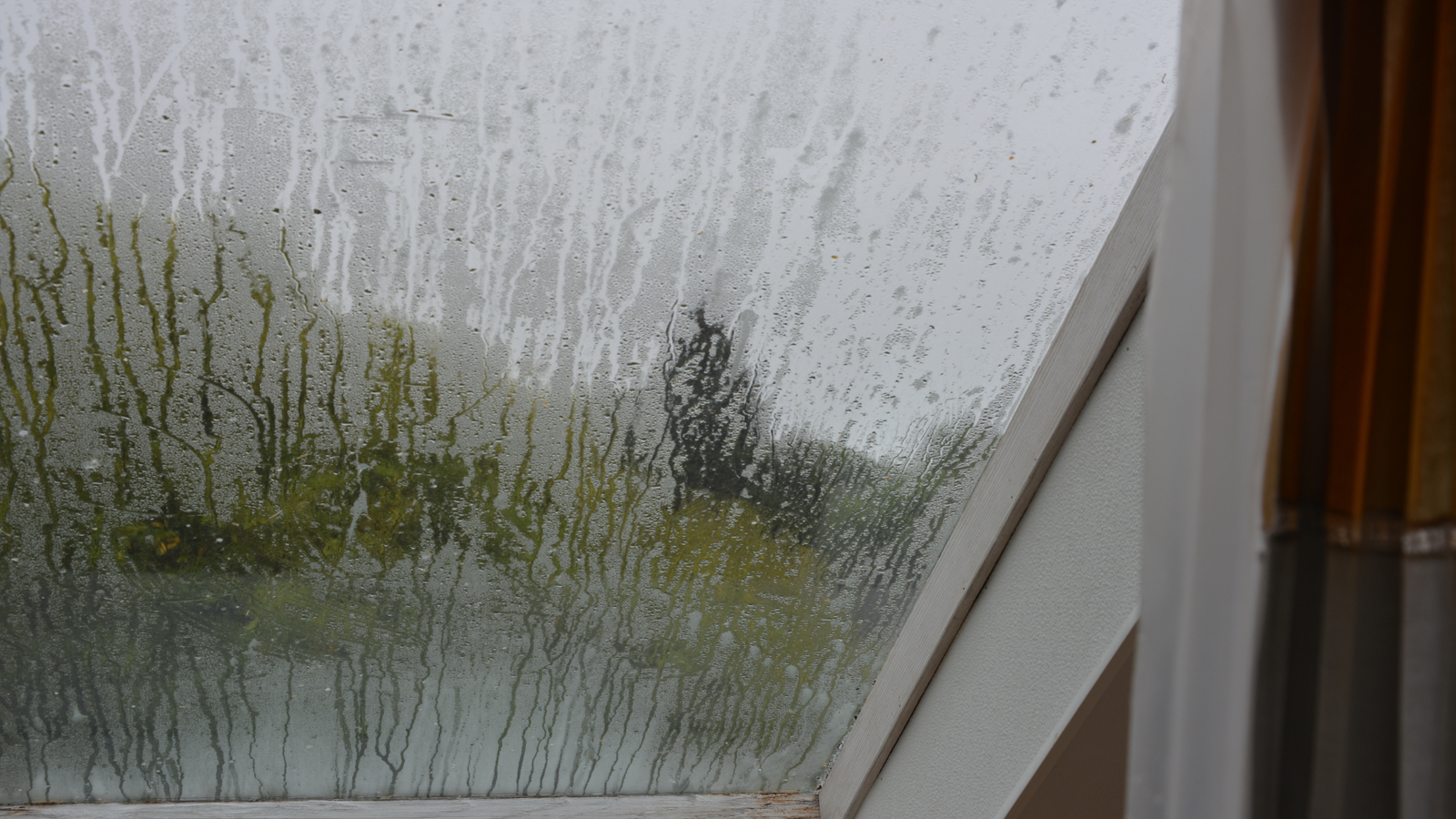
Why do windows fog up from the inside?
Most often, windows fog up from the inside when:, when there is poor air movement and excess moisture accumulated in the premises[i]. These are the most common causes of window fogging, indicating an imbalance in the indoor microclimate.

Excessive humidity indoors
When windows fog up from the inside, excess moisture is often to blame.. Optimal humidity at home is 40-60 percent, and above this limit, the moisture in the air turns into dew and condenses on a cold surface. In most cases, this surface is windows.
Often, increased humidity levels are caused by simple daily activities, such as showering, cooking, and drying laundry in rooms.
To know the humidity level in your living spaces, it is useful to purchase humidity level meter.

Poor ventilation
Poor ventilation is closely linked to excess moisture – when there is too much moisture, poor ventilation does not remove it and the moisture remains indoors. Paradoxically, modern homes pay a lot of attention to tightness, choosing extremely high-quality sealed windows, but this can lead to condensation.
Room temperature too low
Window fogging can also occur when the temperature in the room is too low. – the window surface becomes even colder and condensation becomes more intense. This is especially noticeable in unheated or poorly heated rooms, especially at night and early in the morning.

Why do windows fog up from the outside?
From the outside, windows fog up due to the temperature difference between the warm glass and the moist, cool air outside. According to a source[ii], When windows mist up from the outside, it is a good sign - it indicates that the windows are airtight and have good thermal insulation.. As the temperature outside starts to rise, the condensation on the outside will evaporate quickly.
If you notice that windows are fogging up from the outside, there is no need to take any special measures, as this phenomenon is not a problem.
Why do plastic windows fog up?
Plastic windows fog up more often, because they are almost airtight and very tight. On the one hand, this is good because it retains heat in the house, but on the other hand, good ventilation is necessary to remove moisture and prevent condensation from forming on the windows.
For example, another alternative - wood - is a breathable material, so wooden windows naturally remove moisture.

Windows are fogging up in specific places: what does this mean?
There are several places where window fogging occurs most often:
- There is dew at the bottom of the windows.. Cold air accumulates more often here, so moisture condenses most intensely.
- Kitchen. Kitchen windows often fog up, as this is the room in the house where condensation most often forms on windows. The humidity level in the room is significantly increased by the steam generated during cooking.
- Bathtub. Due to the intense steam generation and higher humidity in this room, windows fog up very often. It is true that not all bathrooms have a window, but even if there is one, moisture settles on other surfaces - it is necessary to reduce it.
- Bedroom. Windows in the bedroom may be more likely to fog up in the morning from moisture exhaled during sleep, but if there is ventilation, there should be no problems.

What to do when windows fog up: solutions
You can effectively and permanently stop window fogging by eliminating the main cause of this problem - excess humidity in the rooms.. It is important to understand that if windows are constantly fogging up, simply wiping the condensation with a cloth will not be enough, as the problem itself lies deeper and requires systematic solutions.

Regular ventilation
Indoor air needs to move and be refreshed, so proper ventilation that removes moisture is very important. Open the windows for a few minutes every day (even in winter!). It is convenient if there are air vents installed - you can keep them open for a longer period of time. Such actions will help to change the air in the rooms.
Also, do not cover the radiator with heavy curtains, furniture, or very large plants. Proper air movement will allow warm air to reach the windows more easily.

Maintaining the right temperature
Condensation formation is promoted by too low a temperature indoors, so ensure its optimal level – 18–22 degrees. In the bedroom, it can be a slightly lower temperature – 16–20 degrees.
Control of moisture sources
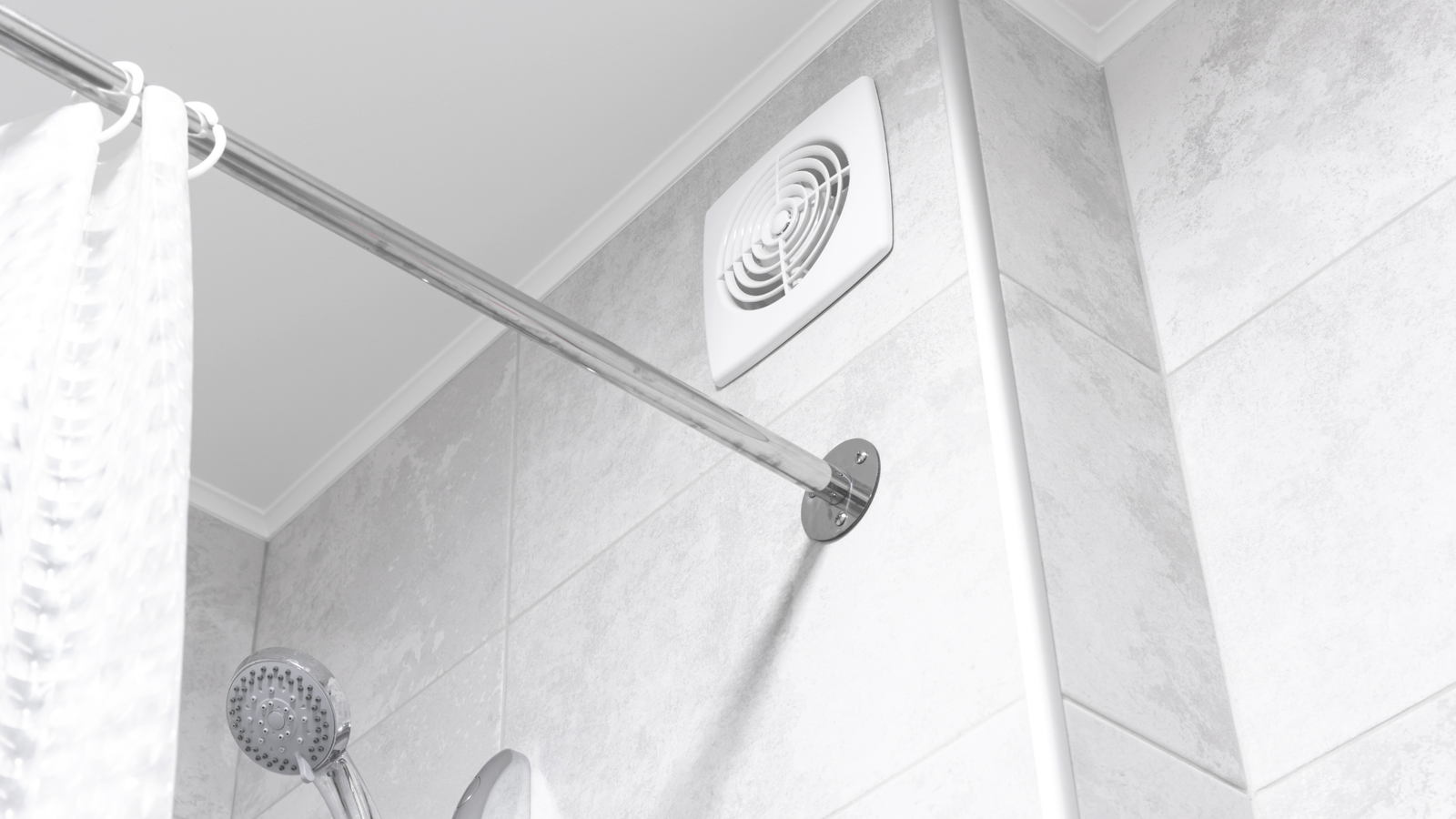
We have already mentioned that humidity in rooms is increased by some daily activities: cooking, bathing, etc. Therefore, if the windows in your house are fogging up, use a steam extractor in the kitchen, and in the bathroom - bathroom fan, ventilate the bathroom after bathing, do not dry laundry in living rooms. How to choose a bathroom fan? You should pay attention to the size of the room, air flow (m³/h), noise level and additional functions.
Using a moisture collector
Looking for an effective solution? Moisture collector will help solve the problem of misting windows. This device removes excess moisture from the air and maintains the right humidity level, which will prevent the appearance of mold, improve the overall quality of the microclimate, and have a positive effect on your well-being.
So, if your windows are fogging up, don't ignore the problem - if left unchecked, it will cause significant damage. Properly managing humidity in your home will not only stop your windows from fogging up, but it will also prevent much more serious problems caused by mold.