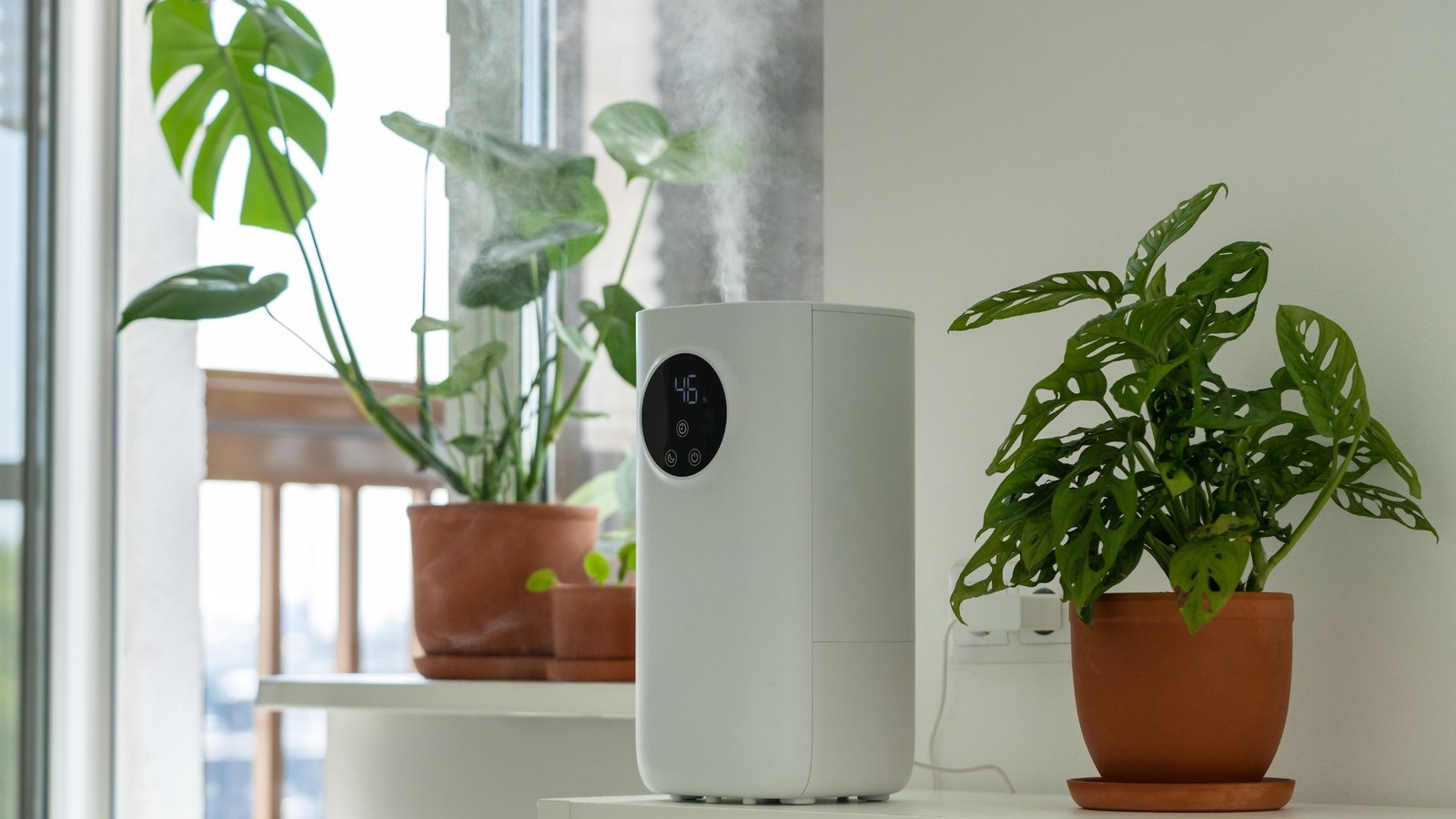
Dry air in the home: causes, consequences and how to deal with them

Dry air in the home is a common problem, especially during the cold season when the heating is turned on indoors. Air that is too dry is not comfortable – it can irritate the respiratory tract, increase skin dryness, damage furniture and even contribute to the spread of infections..
To create a comfortable and healthy microclimate in your home, you need to know why dry air in your home is a problem, how it occurs, and what measures you can take to solve it.
Table of contents
How to recognize that the air in your home is too dry?
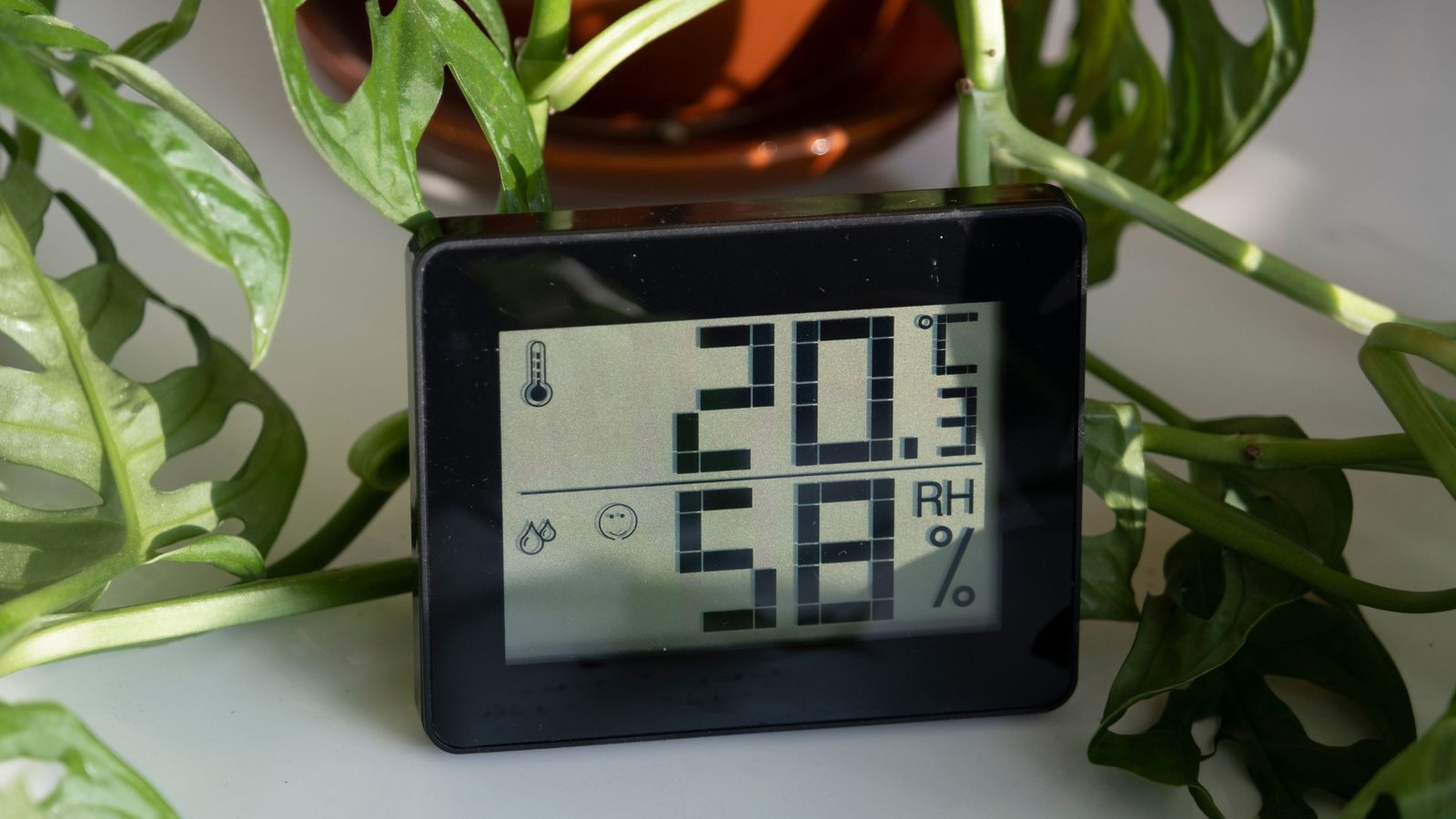
To find out exactly whether the air in your home is too dry, you should purchase a special device for measuring humidity. This can be a hygrometer or a weather station. Such a device will accurately measure the humidity in the room. Optimal humidity level in the home should be 35-60 percent.
Signs of dry air affecting health
The information prepared by the Health Promotion Center of the Institute of Hygiene emphasizes, that excessively dry air in the home promotes dust accumulation, attracts more viruses and bacteria, promotes exacerbation of allergic diseases, and may be associated with headaches, fatigue, and decreased work capacity.
What are the signs that the air in your home is too dry?
- Drying of the nasal and throat mucosa;
- Fatigue, which occurs due to poorer oxygen absorption in dry rooms;
- Poor sleep quality;
- Tired, irritated eyes;
- Exacerbated symptoms of asthma and allergic diseases.
Many people also notice changes in their appearance: the skin becomes drier and rougher, may peel, nails break, lips dry, chapped, split, and hair ends break.

How does dry air in the home affect rooms and furniture?
Dry air in homes negatively affects not only the health and well-being of residents, but it is also unfavorable for house structures, furniture, especially wooden ones. Dry indoor air is also harmful to floors and musical instruments.
What interior signs indicate that the air in your home is too dry?
- Wooden furniture, doors, wooden floors are splitting;
- Floorboards shrink and gaps appear;
- Dust accumulates faster;
- Wall paint can crack, and wallpaper often peels off.
Why does the air in the house become dry?
The main causes of dry indoor air are heating, poor air circulation, and air tightness. Although maximum insulation is very important these days, it also means that less natural humidity remains in the rooms.
Heating season and improper ventilation
When it gets colder outside, the air has less moisture, and when the rooms are heated, it decreases even more and the air in the rooms becomes too dry. The problem is exacerbated by the fact that many people, fearing to lose heat in their homes, do not take care of proper ventilation of the rooms. This leads to the fact that the humidity in the rooms quite easily drops below the lower limit.
Airtightness of premises and modern windows
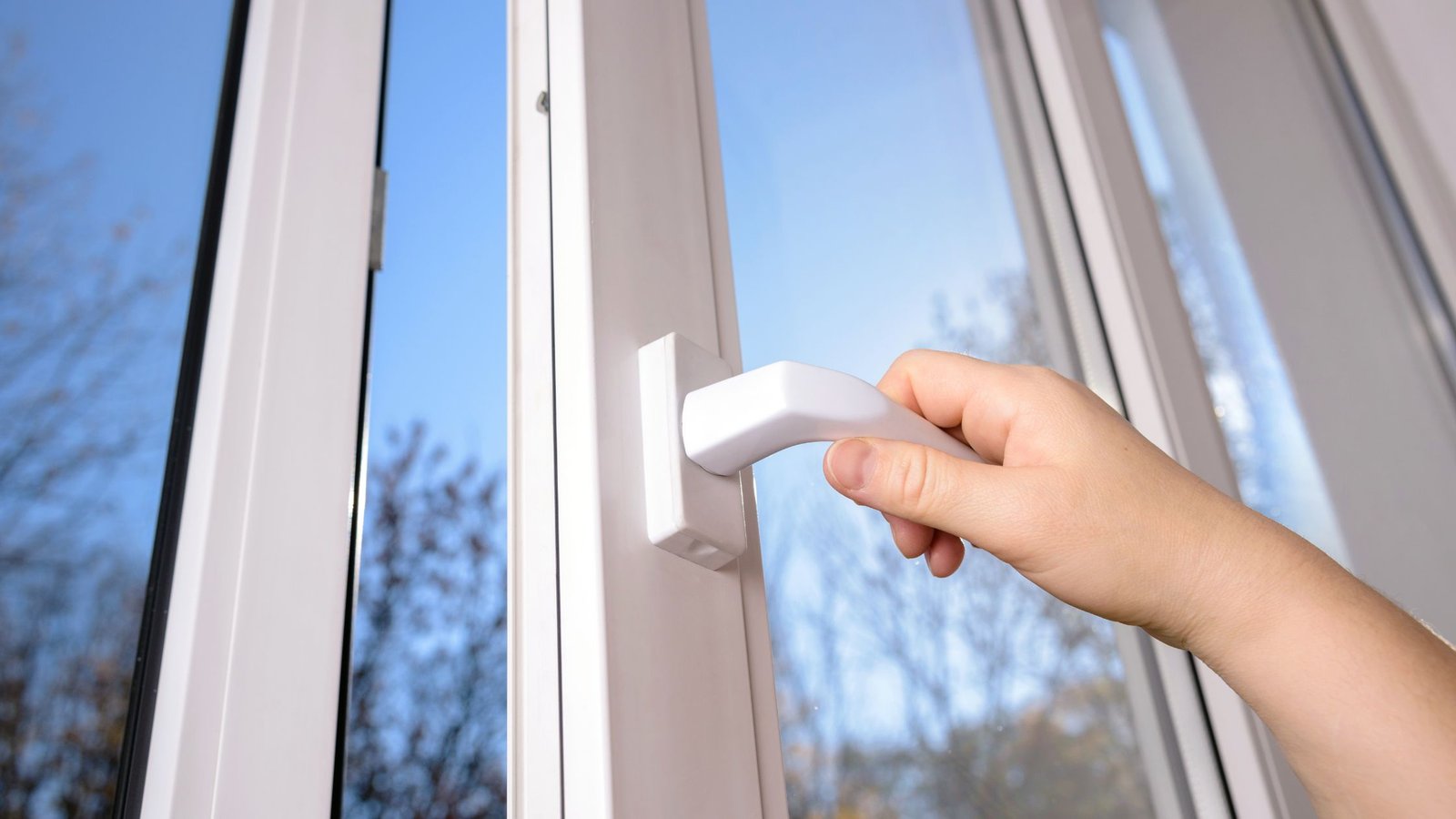
Great attention to the tightness of the premises leads to high energy efficiency, but reduces natural air circulation, preventing moisture from entering the interior from the outside. Tight plastic windows that retain heat in the house also contribute.
Modern homes tend to have a dry microclimate, so the decision to additionally humidify the premises usually pays off.
How to maintain the right humidity level?
If you are bothered by dry air at home, you don't have to accept it - there are many measures that will help you successfully combat this problem and ensure a comfortable and healthy microclimate indoors.
Ventilation
To reduce indoor air dryness, regularly, several times a day, open the windows wide, let in fresh air, and ventilate the rooms. Don't be afraid of the cold - the rooms won't cool down much in a couple of minutes, but air quality at home will be significantly better.
Wet cleaning
When cleaning your home, don't just vacuum your rooms - use the wet method as well: wash the floors and dust surfaces with a damp cloth.
Optimal temperature
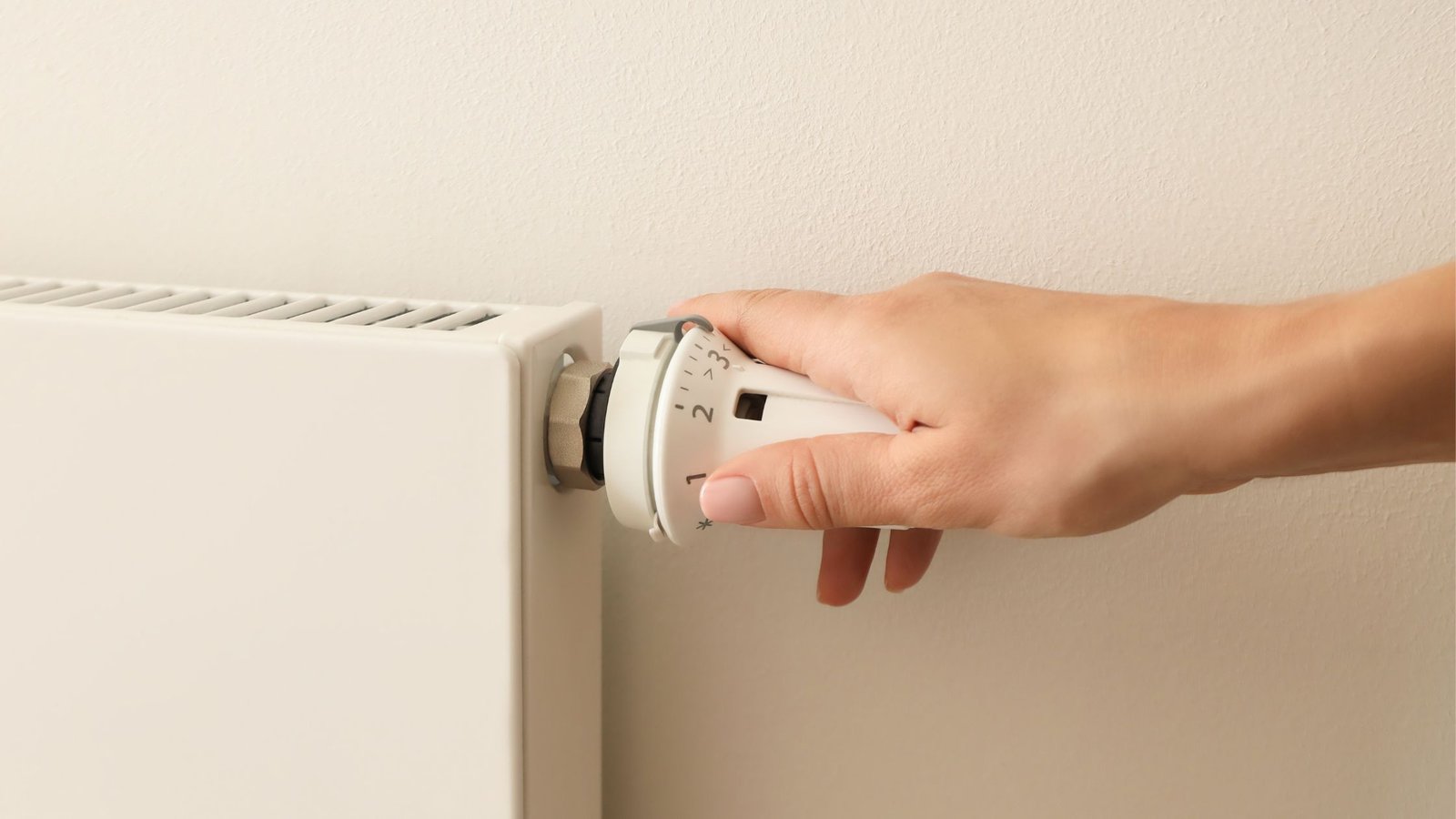
Maintain an optimal temperature at home, ideally 21-22 degrees Celsius, although the bedroom can be slightly lower. Remember, the warmer the air indoors, the faster moisture is removed and the drier the air becomes.
Indoor humidification
You can find a lot of advice in the public domain on how to do this, for example, keeping containers with water indoors, drying wet laundry on radiators, etc. However, it is difficult to assess whether such methods will do more harm than good, because excess humidity in rooms is no less of a problem. Therefore, humidifiers are best suited for humidifying indoor air.

Air humidifiers – an effective solution
Special humidifiers are truly one of the most effective ways to maintain optimal indoor humidity. However, it is essential to have a humidity measuring device so that you know when the air really needs to be humidified.
Air humidifiers for homes There are several types, so it is important to choose the one that best suits your needs:
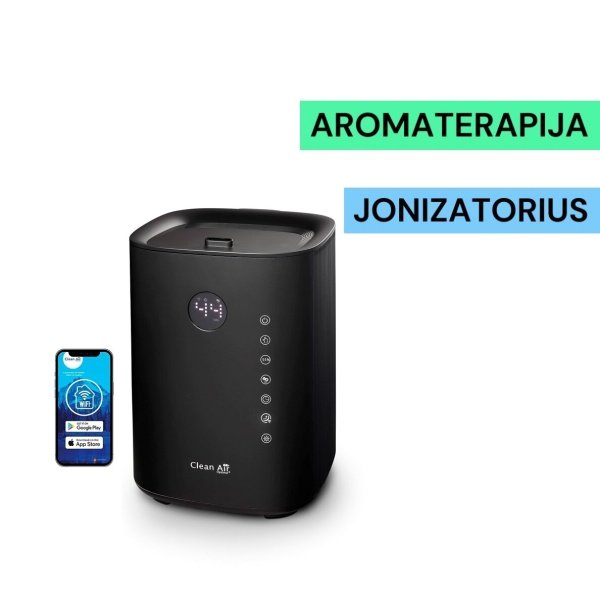
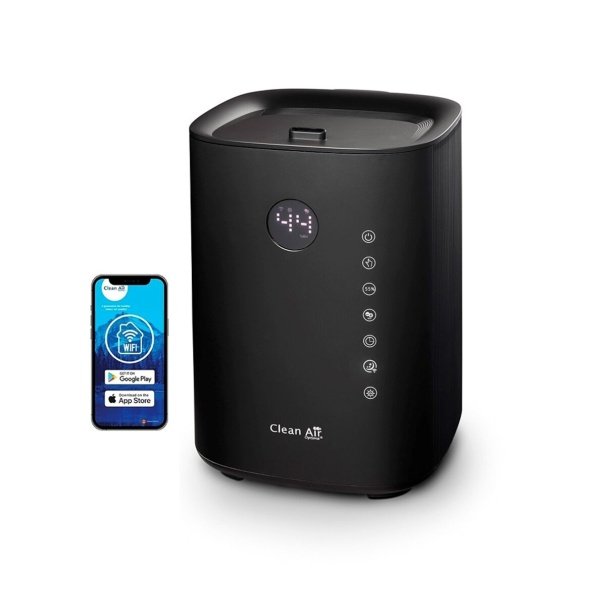
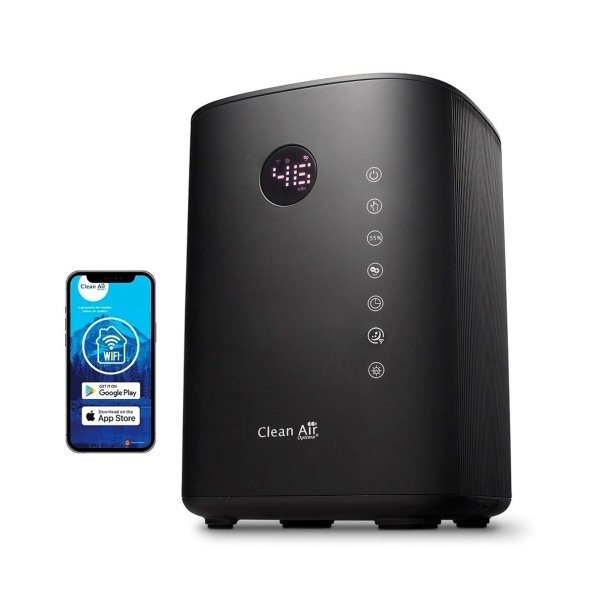
- Warm air humidifiers heats the water and evaporates it into the environment. You can add a few drops of essential oil to the water.
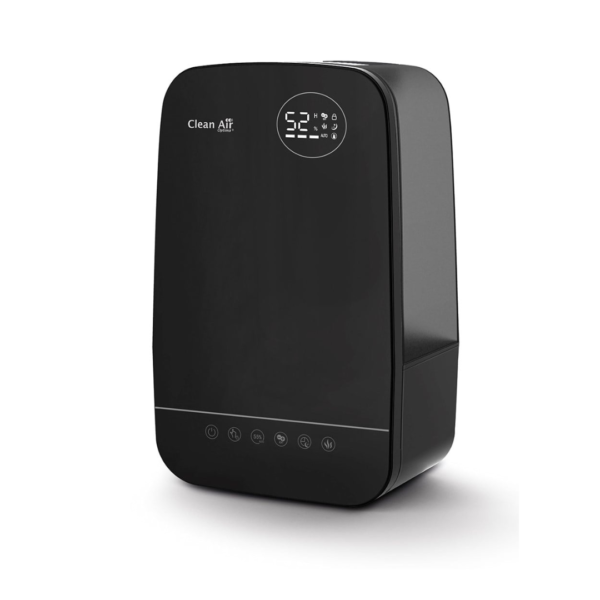
- Ultrasonic humidifiers Extremely quiet, they spread a mist of microdroplets into the room. They can emit both hot and cold vapors.
- Air humidifiers-purifiers, it's easy to guess, performs more functions - they not only humidify, but also purify indoor air, removing dust, bacteria, various allergens and other dirt, and unpleasant odors.
- Humidifiers-ionizers It performs three functions: humidifies, purifies and aromatizes indoor air.
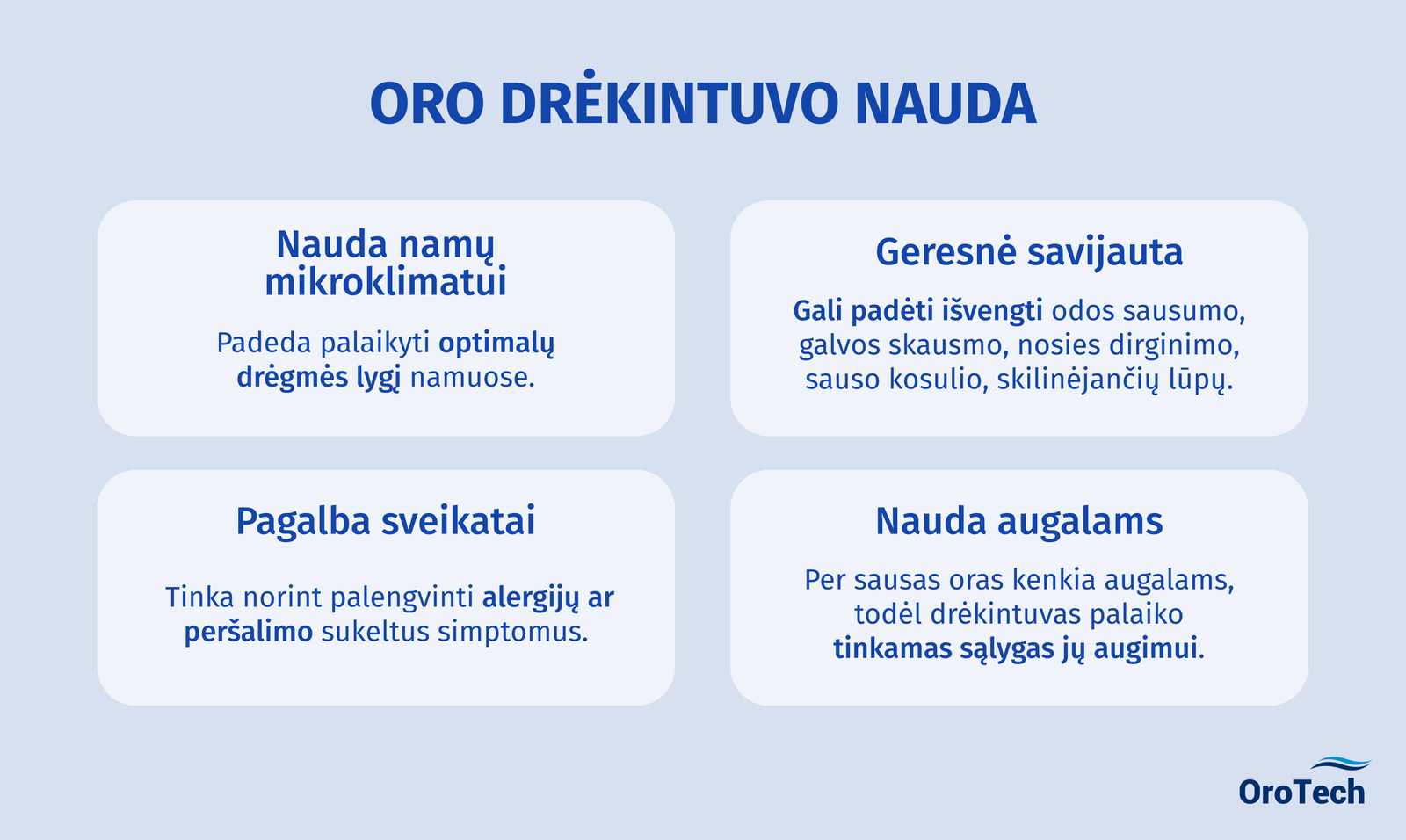
How to choose a humidifier?
Looking for best humidifier? When choosing, be sure to consider the following criteria:
- Please note, What size room will need a humidifier?;
- What is the capacity of the water tank? (keep in mind that the smaller it is, the more often it will need to be topped up);
- How much moisture evaporates over a period of time;
- Are you interested? additional features, for example: air purification, humidity measurement, etc.
Wide You can find a selection of humidifiers at Orotech.lt – everyone will choose the device that best suits their needs, whether it's a home, office, industrial or other type of humidifier.
Dry air in the home is unpleasant and harmful to health and the home environment. Knowing why the air becomes dry can help prevent it. And for maximum comfort in your home, you can purchase a humidifier that allows you to easily maintain optimal humidity levels.