

Clean air at home: what determines air quality and how to improve it?

We spend most of our time at home, especially during the cold season, so clean air in our home directly affects our well-being, sleep and energy levels. If the rooms are stuffy, too dry or have unpleasant odors, the air quality is likely to deteriorate, which can lead to fatigue, headaches, respiratory irritation or other unpleasant symptoms.
In this article, we will generally discuss what determines fresh and clean air in your home and what steps you can take to improve the microclimate in your home.
Table of contents
Why is clean and fresh air in the home so important?
Clean air at home has a direct impact on our health, well-being, and daily productivity. Various studies show that poor indoor air quality can be linked to fatigue, headaches, respiratory irritation, and even neurological symptoms.[i]
Children, the elderly, people with allergies, or those with other health problems suffer the most from poor indoor air quality. Meanwhile, clean and fresh air at home helps you breathe easier, improves cognitive function, concentration, and overall performance.[ii]
Good air quality in the home also has a positive effect on sleep, and its quality is very important for well-being. Therefore, taking care of the microclimate in your home is a simple but very important investment in your well-being.

What are the main factors that determine good air quality in the home?
Clean and fresh air in your home doesn't just happen by itself, it's determined by several important factors. Knowing them will help you assess the indoor microclimate more easily, spot problems more quickly, and take simple, targeted solutions.
Let's take a look at the main factors that have the greatest impact on air quality in the home.
Room temperature
Both too high and too low indoor temperatures cause discomfort to residents and affect the overall air quality in the home. When the house is too hot, it feels stuffy, the air is "heavy", and you may experience headaches or fatigue.
Too low a temperature is also not favorable - it promotes the accumulation of moisture, which leads to condensation, increases the risk of mold, and creates an unpleasant feeling of dampness.
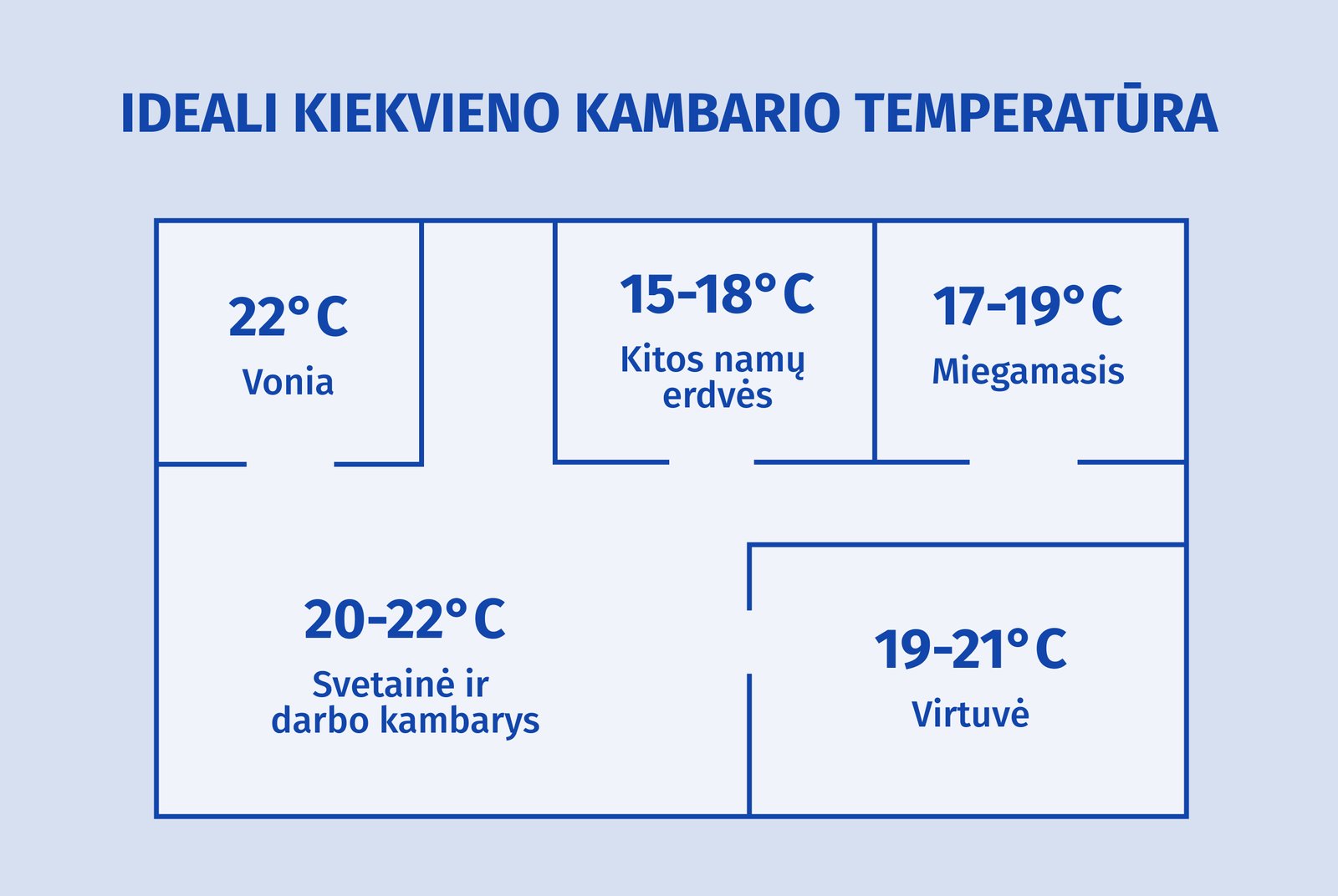
Optimal room temperature It usually reaches 18–22 °C, and a few degrees lower is recommended for bedrooms. Such conditions help maintain a healthy microclimate and ensure fresher air at home.
Air humidity
Relative humidity in rooms is one of the most important indicators of the microclimate. Both too dry and too humid air are harmful to health, housing, and furniture.
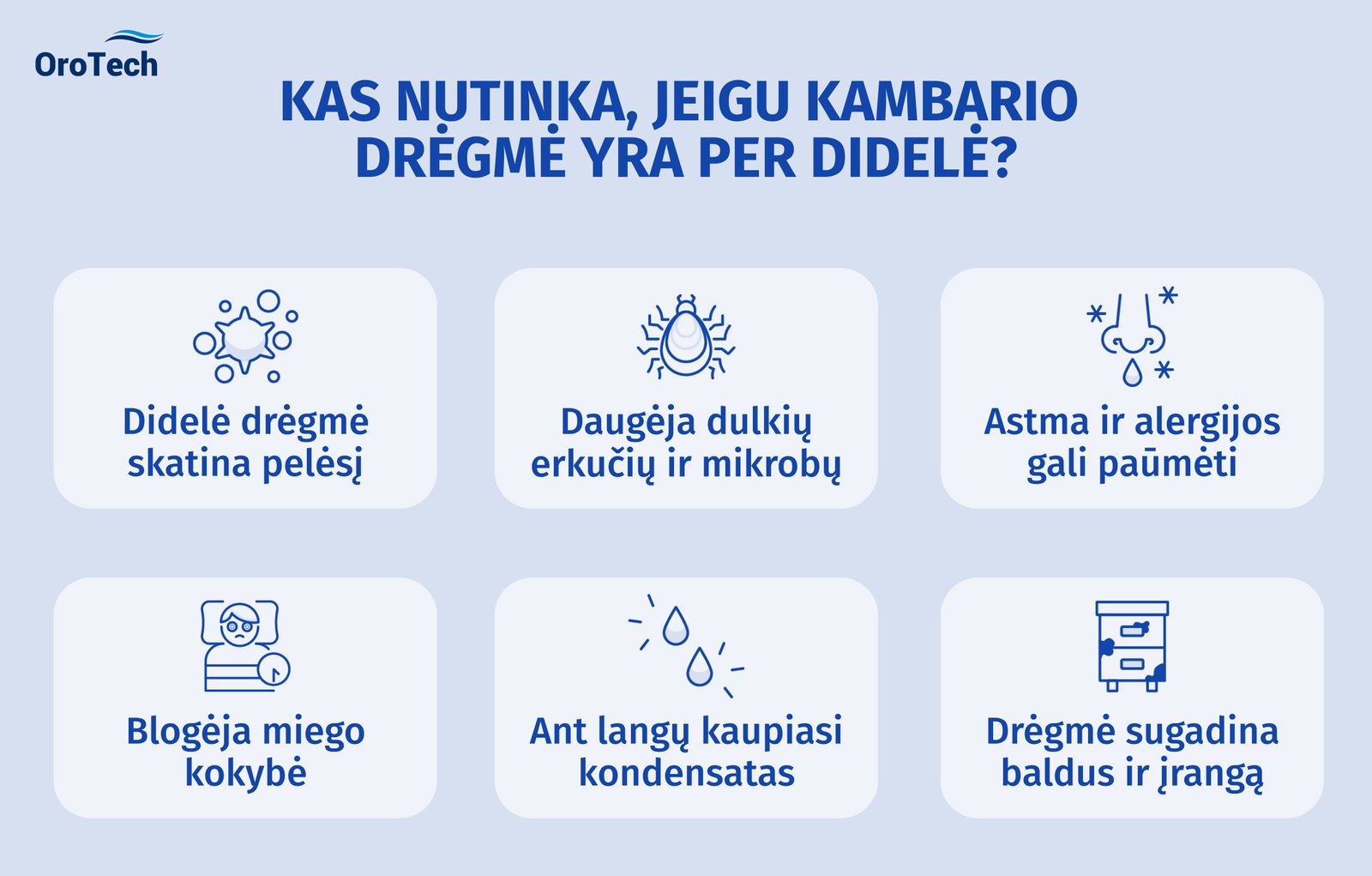
Through dry indoor air It dries out the skin, irritates the respiratory tract, and can cause eye or throat irritation. Meanwhile, excessive humidity creates favorable conditions for condensation to accumulate and mold to grow, which is harmful to both health and the home.
Optimal humidity level in the house should reach about 40-60%. If the humidity exceeds these limits or is too low, it is worth considering additional measures - a humidifier or dehumidifier - to help restore a healthy balance.
Ventilation and air circulation
Just having the right temperature and humidity levels will not be enough to ensure good air quality if there is no air movement in the rooms. Its lack can lead to „heaviness“ of the air, headaches, etc. Therefore It is important to regularly ventilate the premises and ensure constant air circulation. This way, clean and fresh air stays in the house longer, and the indoor environment feels more comfortable.
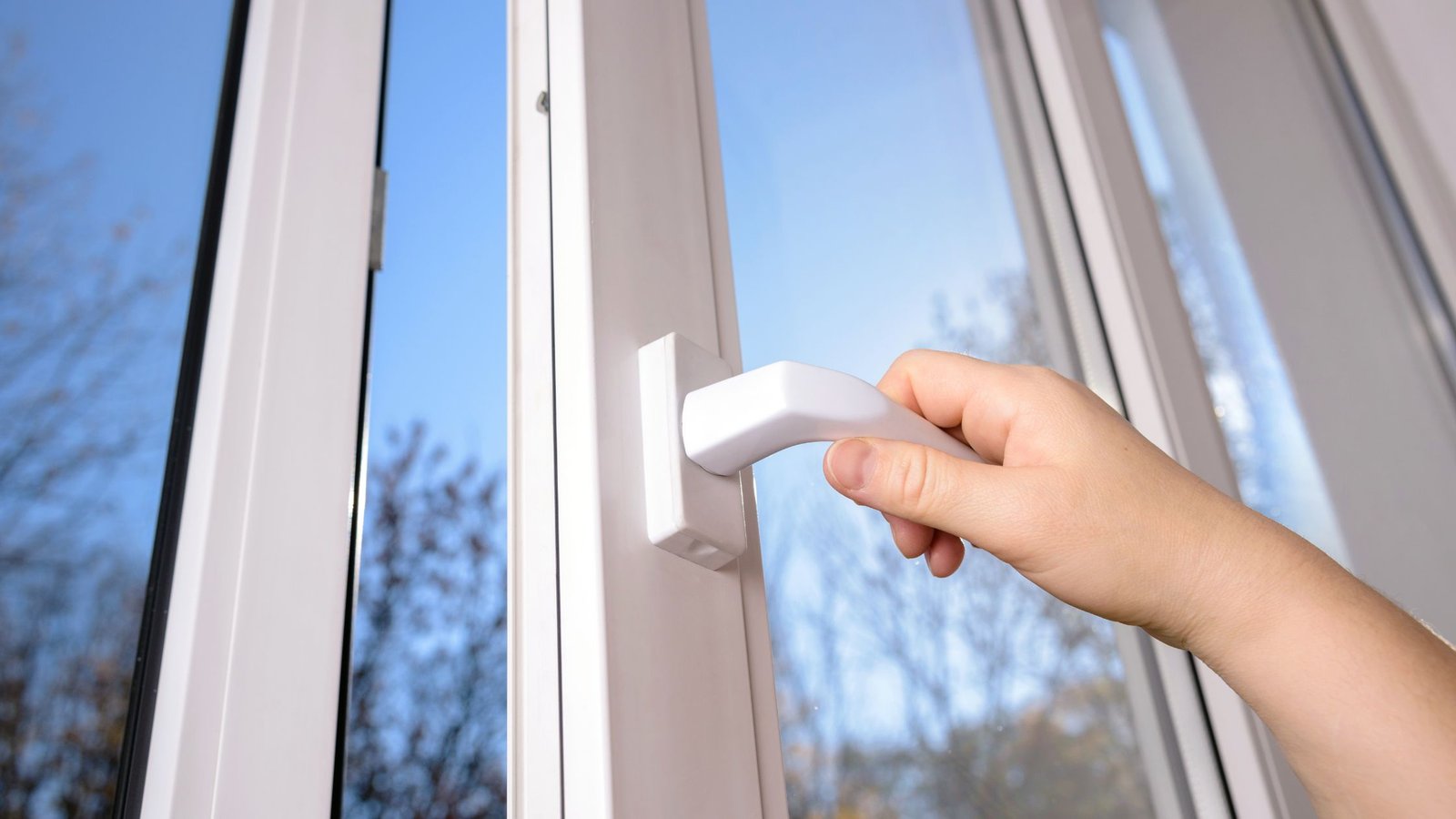
Air movement can be maintained both naturally, by briefly opening windows or vents, and by using modern ventilation solutions that allow air to be exchanged efficiently and without losing heat.
Pollutants and odors
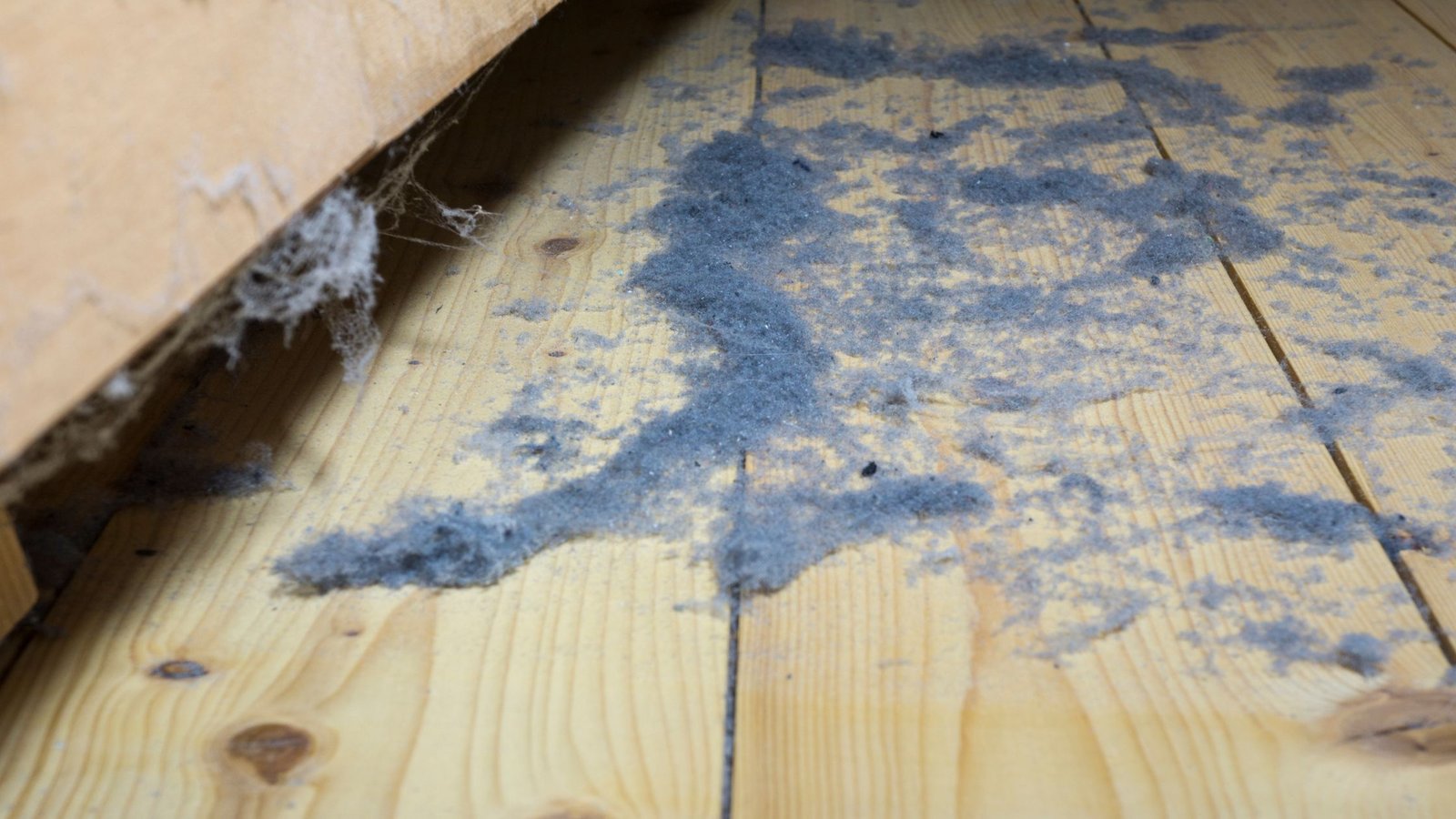
Even in neat, well-maintained homes, various pollutants and odors constantly accumulate in the air. They occur during cooking, using household chemicals, dust accumulates, furniture or finishing materials can emit certain substances. If pets live in the house, the amount of allergens also increases.
These factors, which are invisible at first glance, can significantly worsen the air quality in your home and affect your well-being - causing allergy symptoms, making it difficult to breathe, or simply creating an unpleasant feeling of "stagnant" air.
How to recognize poor home air quality?
Poor air quality in your home isn't always immediately apparent. Sometimes it's obvious signs like mold on walls or furniture, condensation on windows, or a constant feeling of stuffiness. But often the problem is more felt than seen.
Here are some common signs that indoor air may be too dry, too humid, or stagnant:
- Frequent headaches or recurring fatigue;
- Dry eyes, sore throat, nasal mucosa irritation;
- Poorer sleep quality, you have difficulty falling asleep or wake up feeling restless;
- Unpleasant or "stale" odors indoors.
If these symptoms recur, it is worth paying attention to the microclimate of your home and taking measures to improve air quality.

Simple ways to improve air quality at home
Poor air quality in your home can be uncomfortable, but the good news is that it can often be improved with simple daily habits. It doesn't require big investments or complicated solutions - just a few simple steps.
Here's what you can do to make clean, fresh air at home a daily routine:
- Ventilate the premises regularly. Open the windows briefly at least a couple of times a day. This is important even in the cold season (don't worry, the room won't get cold in such a short time). This will quickly replace the stale air with fresh air.
- Monitor the humidity level in the rooms. Use humidity level meter. The device will indicate when the indoor air is too dry or too humid.
- Maintain the right temperature and avoid overheating.
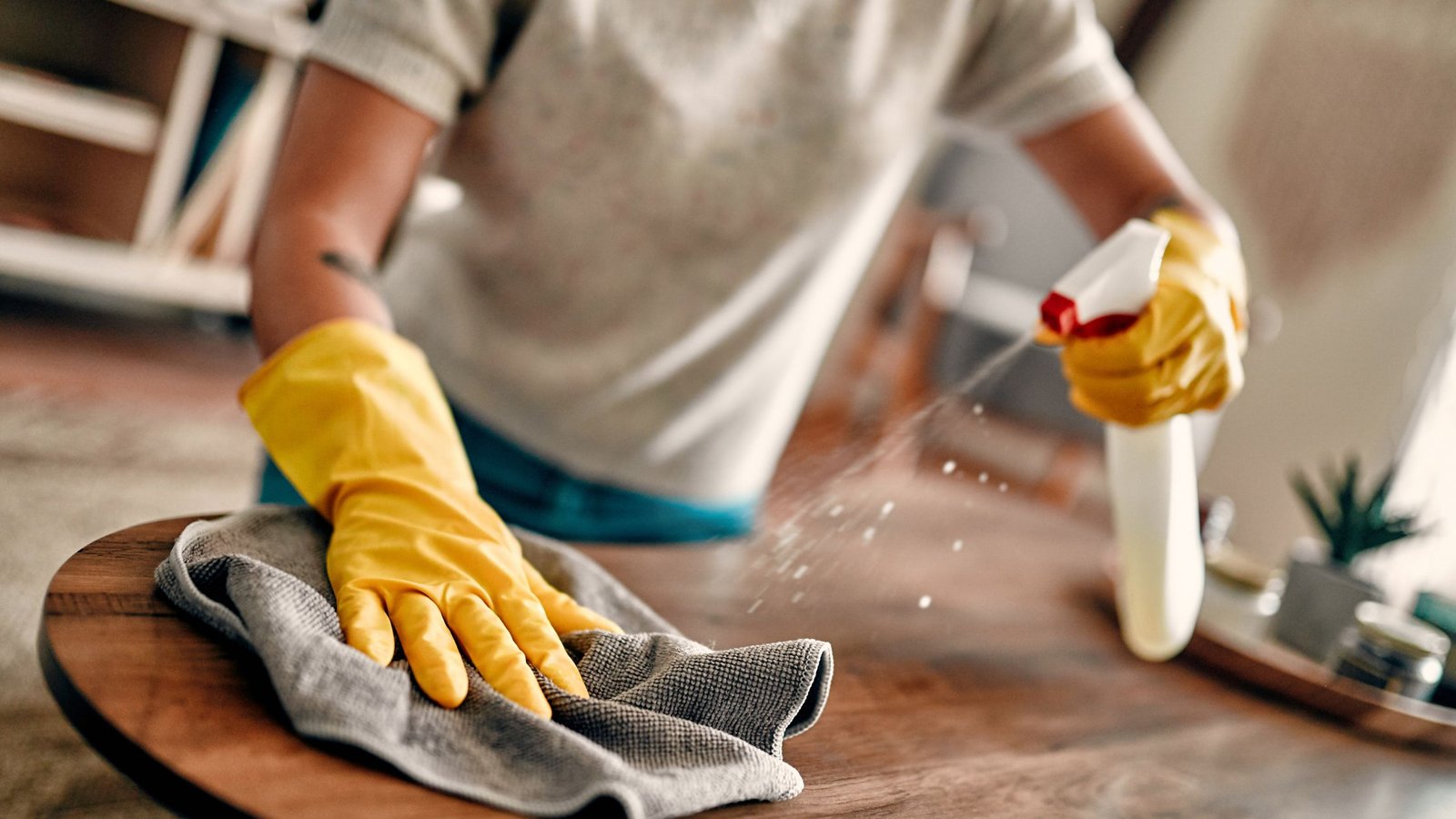
- Take care of cleanliness: Vacuum carpets, wash floors, and dust surfaces regularly to reduce allergens and pollutants in the air.
These are simple, time-saving habits that will give you the opportunity to enjoy a healthier microclimate at home.
Clean air at home: when is it worth using technological solutions?
If simple ventilation, temperature or humidity control is not enough, it is worth considering additional measures. Modern air improvement technologies help to ensure clean and fresh air in your home faster and more effectively, especially when you are dealing with allergies, mold, or air that is too dry or too humid.
Air purifiers – to reduce allergies, dust and odors
Air purifiers Simple but functional devices trap dust, pollen, fungal spores and other impurities or even odors in the air. They clean the air perfectly, can reduce allergy symptoms, usually operate quietly and do not cause any discomfort.
These devices are especially useful for allergy sufferers, families with children or pets, and if dust accumulates or the house feels stuffy.
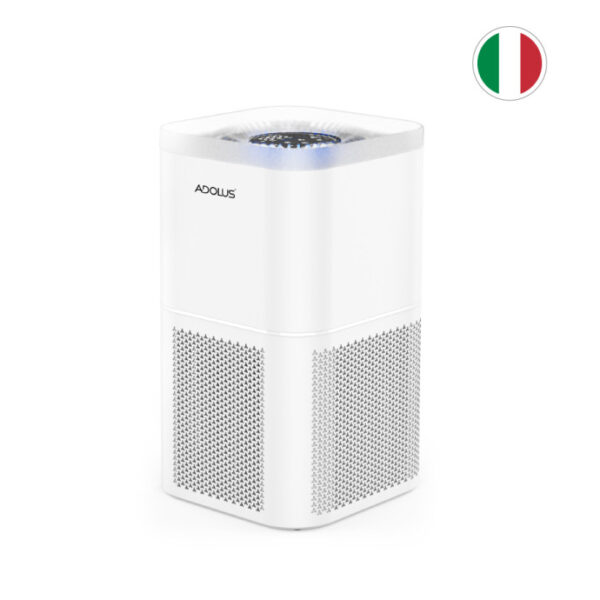
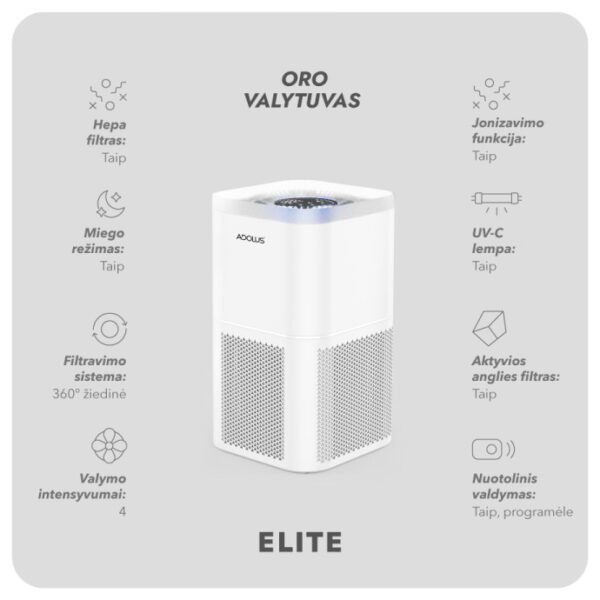
Air purifier Adolus ELITE
159,00 € Room size: 31-40 m²Filter type: HEPA, Activated carbon, CarbonDelivery time: 1-3 days
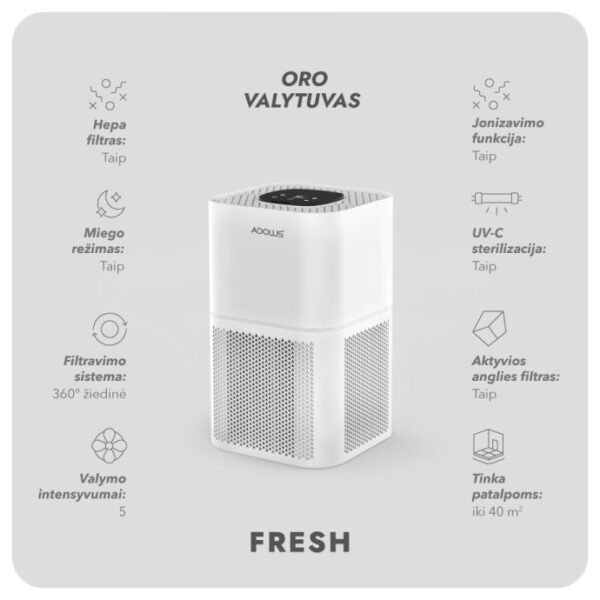
Air purifier Adolus FRESH
135,00 € Room size: 31-40 m²Filter type: HEPA, Activated carbonDelivery time: 1-3 days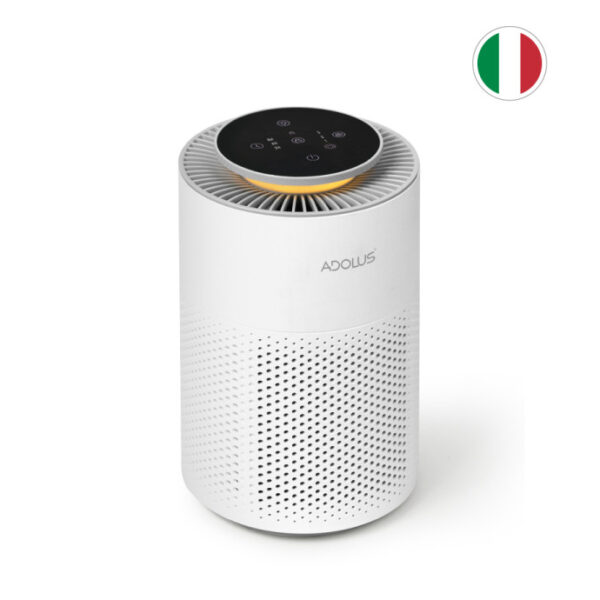
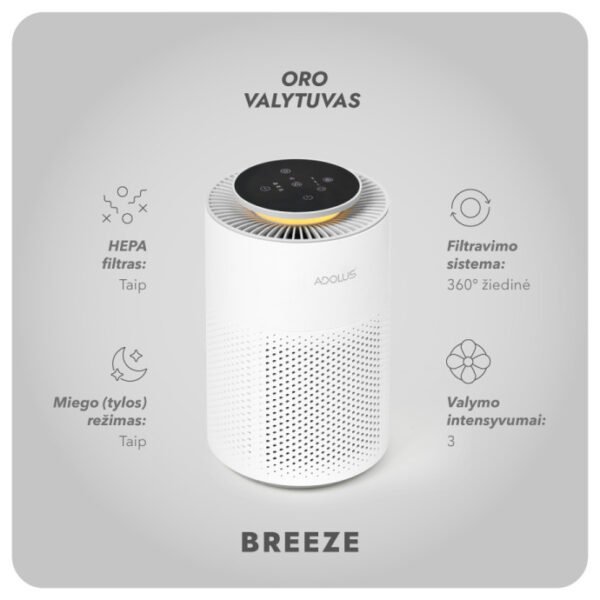
Air purifier Adolus BREEZE
59,00 € Room size: 0-20 m²Filter type: HEPA, Activated carbonDelivery time: 1-3 daysHumidifiers – when the air is too dry
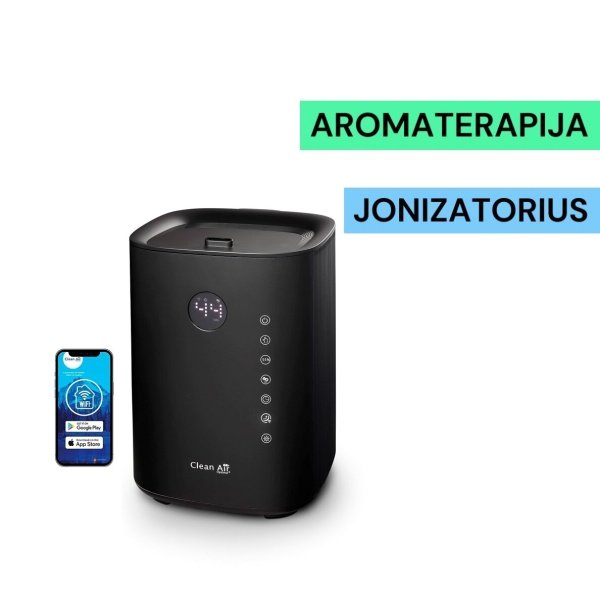
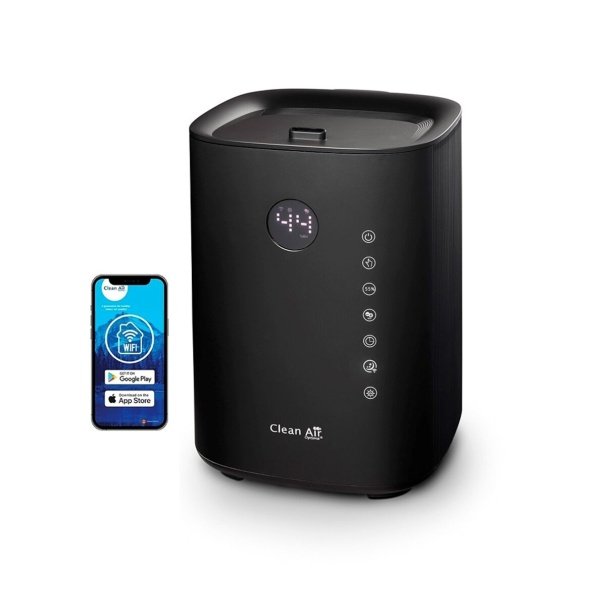
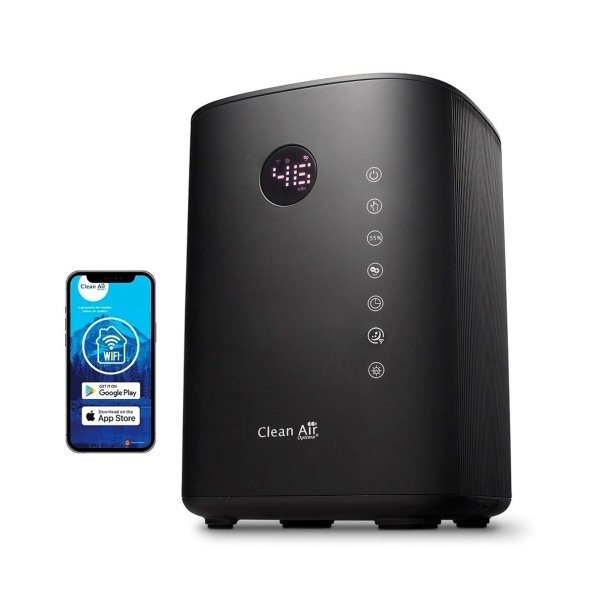
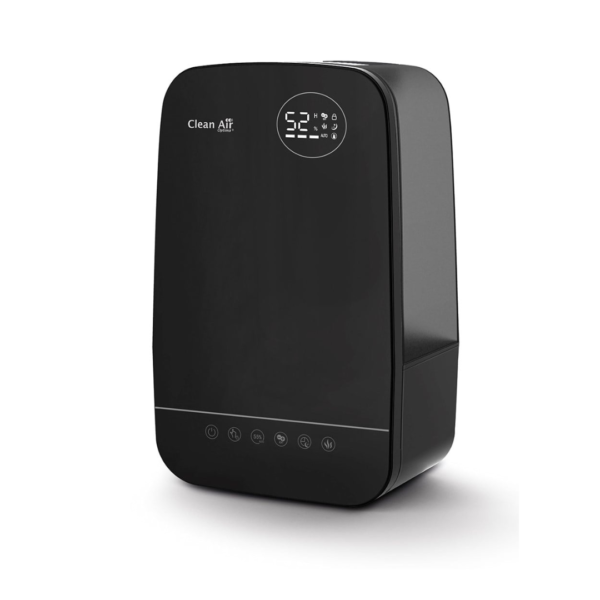
Air humidifiers Humidifiers add moisture to indoor air, making them indispensable when indoor air is too dry. This problem is especially common during the heating season. At the same time, humidifiers improve overall well-being and help prevent discomfort caused by dry air. Some models may have an aromatherapy function.


Dehumidifiers – when moisture accumulates
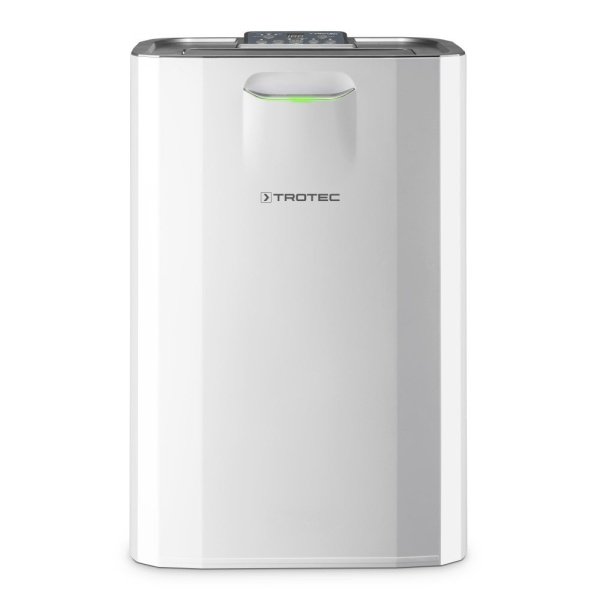
Dehumidifiers removes excess moisture from rooms and balances its level. They are extremely effective in preventing the appearance of mold and protecting furniture and home furnishings from deformation and changes in appearance.
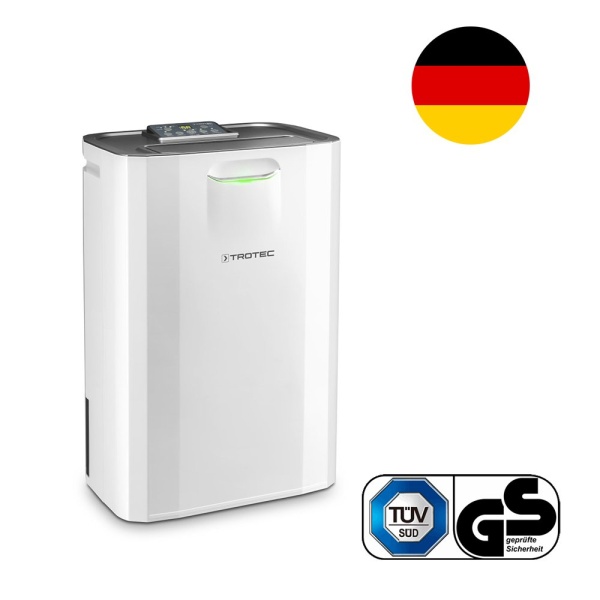
Adsorption dehumidifier Trotec TTR 57 E
300,00 € Room size: 0-20 m²Dehumidification performance: 0-10 l/24 hDelivery time: 1-3 days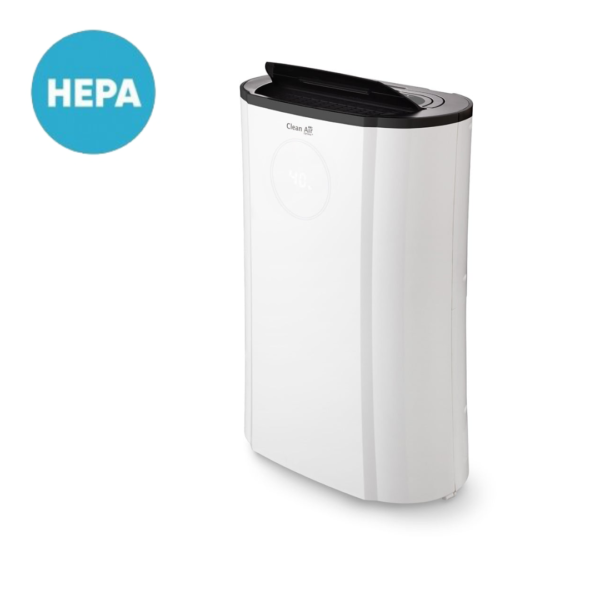

Air dehumidifier - purifier Clean Air CA-704
349,00 € Room size: 31-50 m²Dehumidification performance: 11-20 l/24 hoursDelivery time: 1-3 days
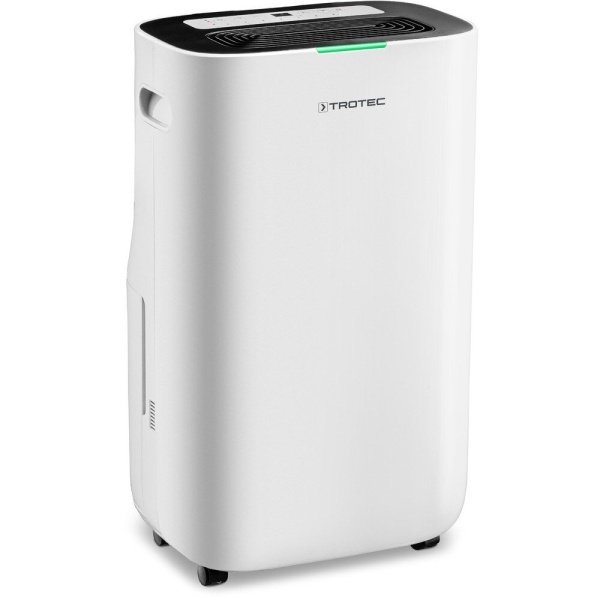
Condenser dehumidifier Trotec TTK 70 HEPA
275,00 € Room size: 31-50 m²Dehumidification performance: 21-30 l/24 hoursDelivery time: 1-3 daysHeat recovery and ventilation solutions – constant air exchange
If you want to ventilate your home not only by opening windows, but also to constantly maintain fresh air, consider ventilation solutions. The latter are especially relevant in modern high-energy class buildings. Recuperation will ensure constant air movement and always fresh air indoors. Most modern systems also have filters that trap various allergens and dirt.
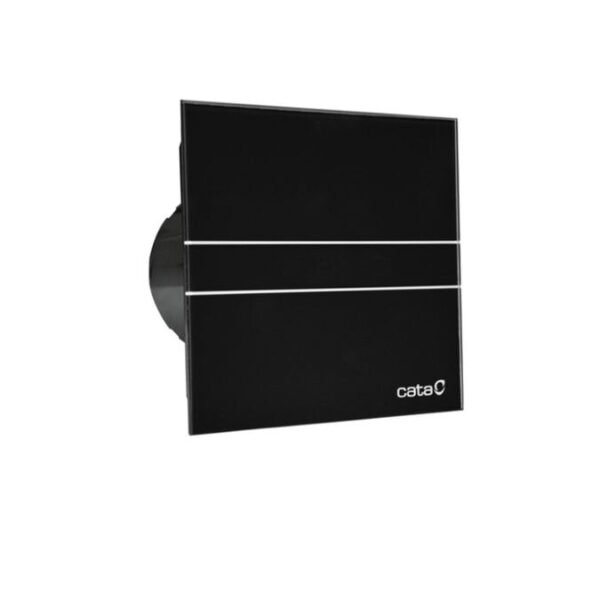
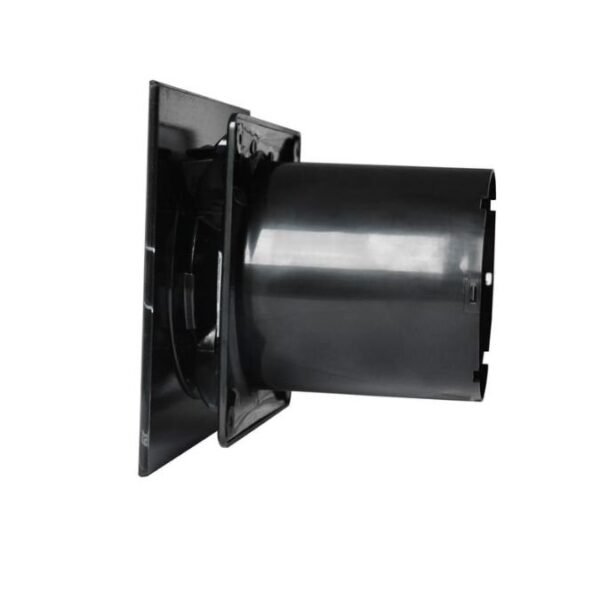


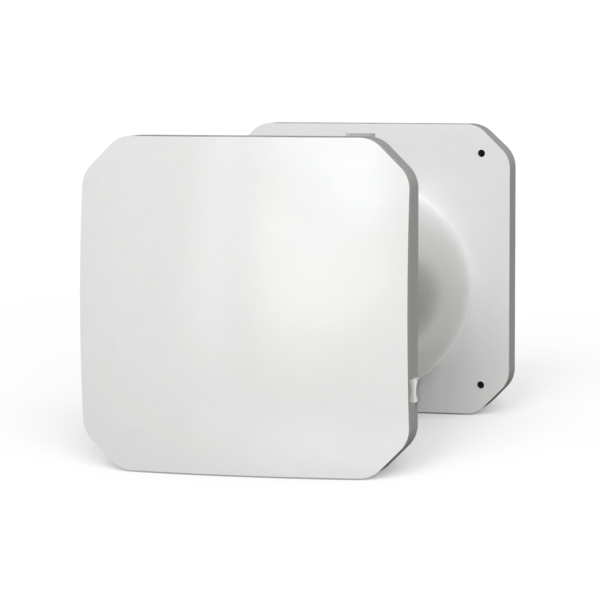
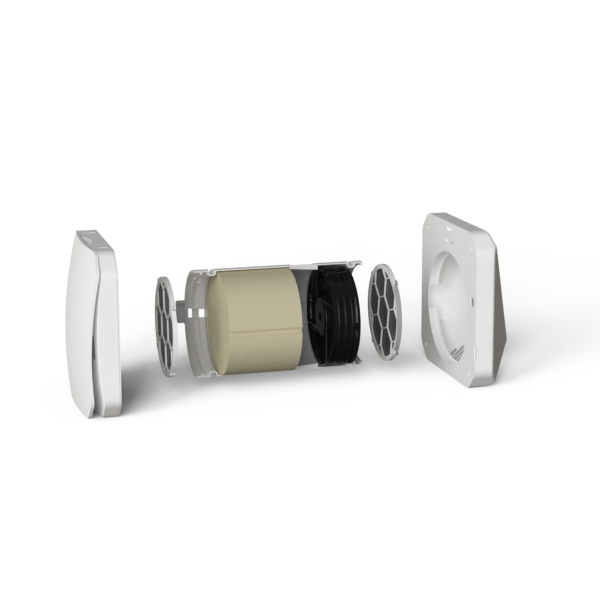
Wall-mounted mini recuperator Zephyr V2.5 T
357,00 € Performance: 51-70 m³/hDuct diameter: 160mmDelivery time: 1-3 daysTake care of your home's air quality today
If you feel stuffy, dry or too humid air in your home, are more often bothered by fatigue or allergy symptoms, it is worth taking action now. Sometimes simple habits are enough, and sometimes additional technologies are needed to help restore a healthy microclimate faster.
You will find various air purification, humidification and dehumidification solutions OroTech online store.
Sources:
[i] https://pmc.ncbi.nlm.nih.gov/articles/PMC10100118/
[ii] https://www.burnet.edu.au/our-work/health-themes/tuberculosis-covid-19-and-other-airborne-pathogens/clean-indoor-air/.