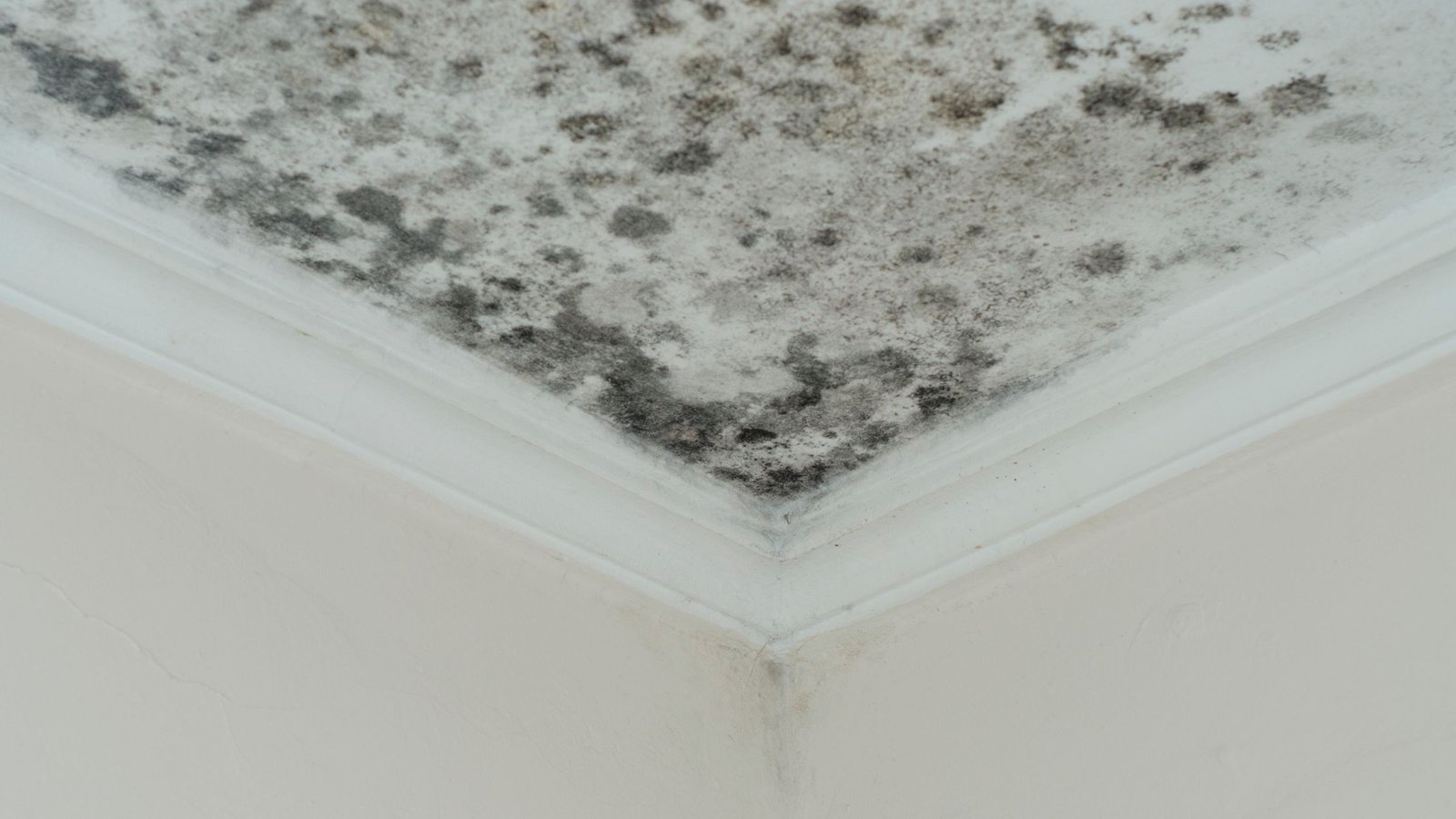

Mold in the home is one of the very common problems faced by residents of both older and newly built homes. Mold is not just an aesthetic problem – it is harmful to health, damages home decoration, and damages things. To eradicate mold permanently, you must eliminate not only the visible sources, but also take care of the cause of its occurrence - excess moisture in the premises.
In the article, you will learn how to effectively eradicate mold and ensure that it does not recur, as well as when it is better to avoid wasting time and contact specialists.
Table of contents
How to get rid of mold in your home – step by step
Mold in the house is not a problem that can be easily dealt with – To get rid of it permanently, you need to take effective measures and follow a certain sequence of actions.. Let's discuss the stages of mold removal in order when it comes to removing mold in the home.
1. Assess the situation
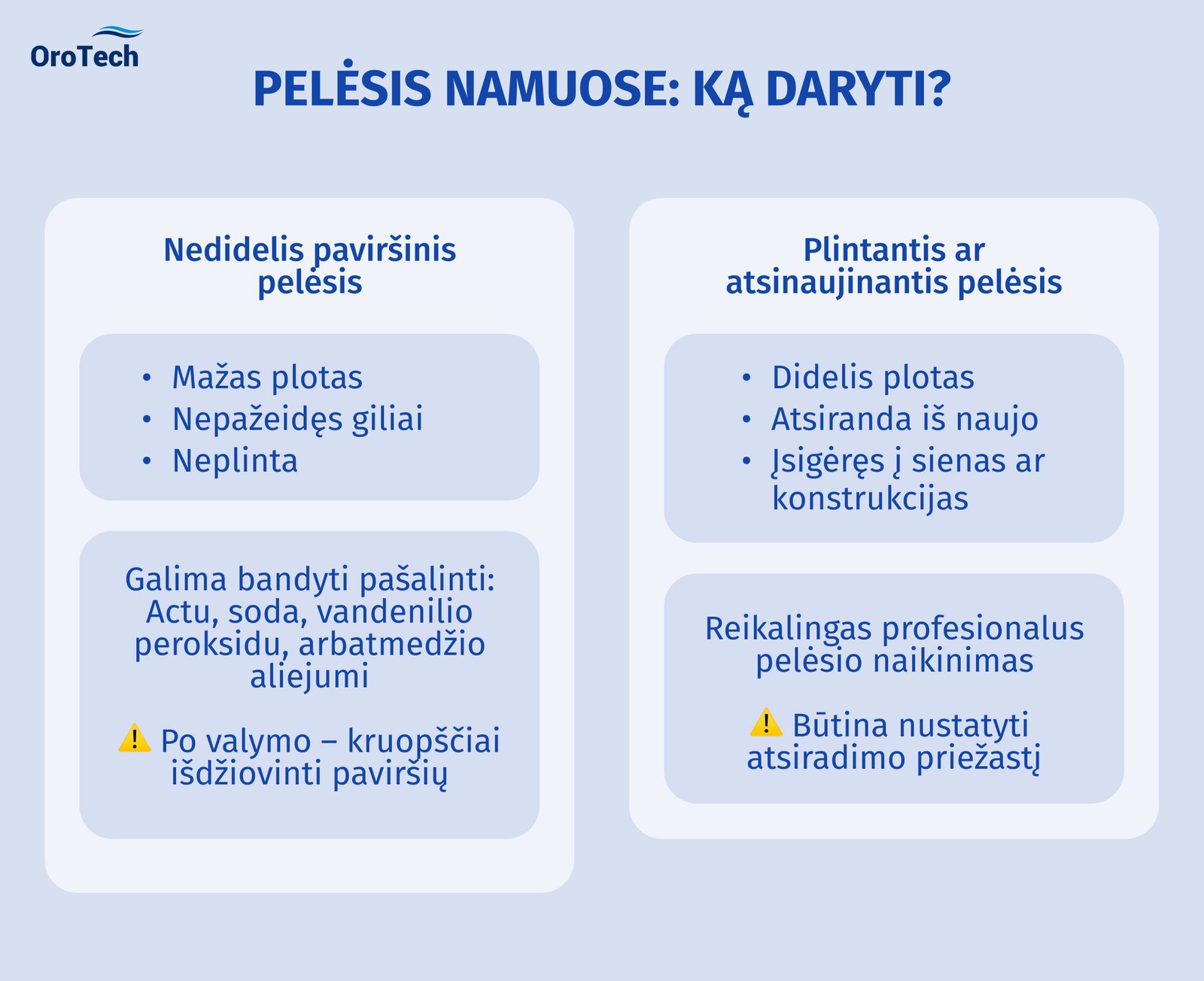
Seeing mold in your home first assess the size of the damaged areas and how widespread they are. If the mold areas are small (up to 1 sq. m.), in most cases it can be successfully removed by yourself.
However, if the damaged areas are large or if you managed to remove the mold, but after a while it reappeared, then it is worth seeking help. call mold removal specialists. They know best how to eliminate mold so that it doesn't come back.
2. Protect yourself
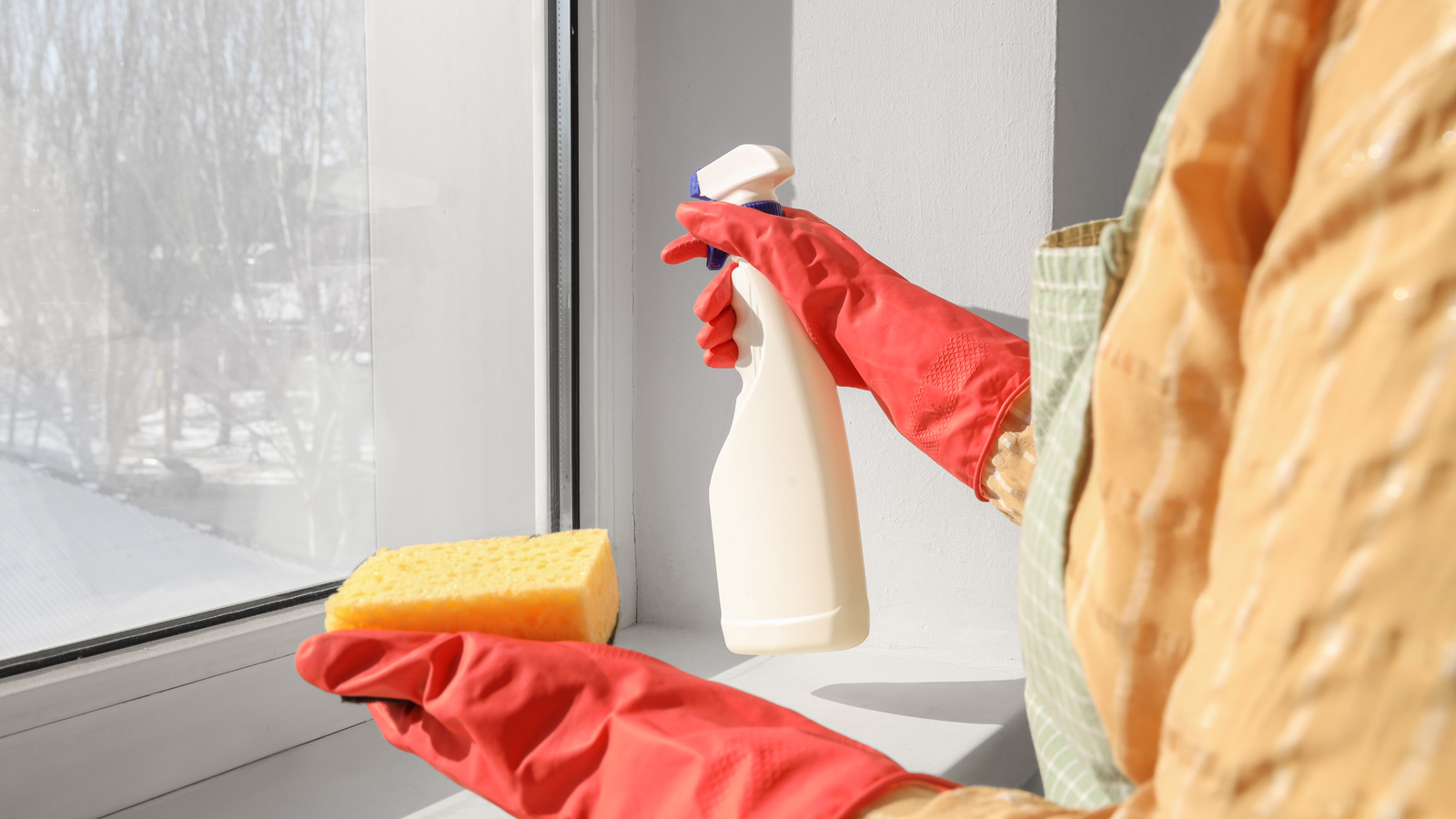
If you undertake the mold cleanup yourself, It is very important to take care of your own protection., because mold spores can irritate the skin and respiratory tract, and some cleaning products used to kill mold can also be harmful. Therefore, before taking action, take care of the following measures:
- protective gloves;
- mask or respirator;
- good room ventilation.
Important: do not dry clean mold, as its spores will easily spread into the air.
3. Clean visible mold
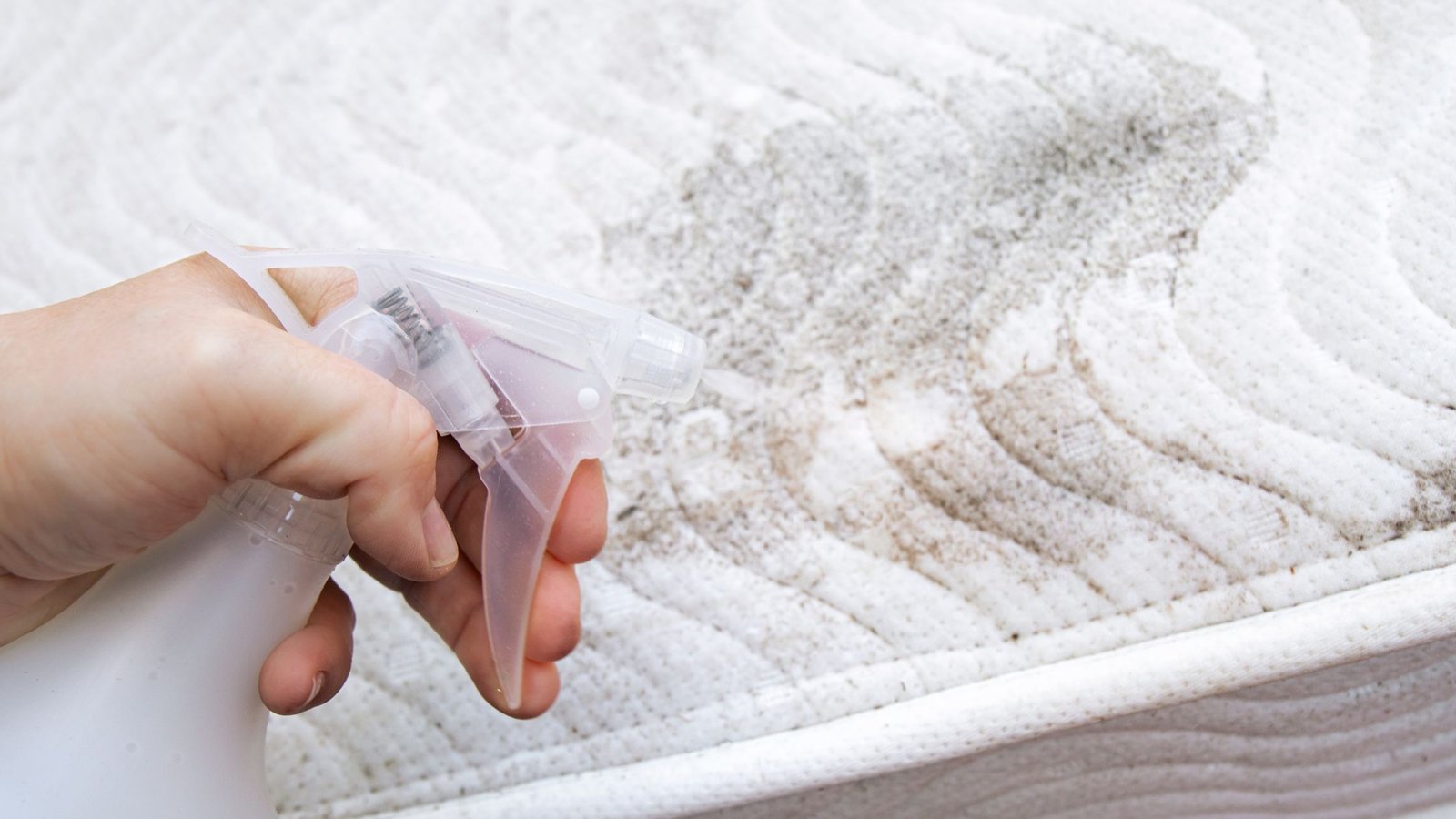
To remove smaller areas of mold, use products specifically designed to kill mold. (follow the instructions). Don't forget disinfectants - when cleaning mold-damaged areas, it's important to not only clean the stains visible on the surface, but also disinfect those areas to eliminate as many mold spores as possible.
Often, less harmful products that are already available in many homes are chosen to remove mold from walls and furniture. One of the most popular solutions is killing mold with vinegar. Progress:
- you will need a brush (don't choose a rough one - you will damage the surface), sponges or soft cloths;
- Spray vinegar liberally on the mold-affected area, rub, polish;
- do not wipe the tool – leave it on for up to a couple of hours;
- then rinse the cleaned area with water;
- very It is important to allow the area to dry thoroughly..
Pay attention to whether the mold has penetrated the finishing materials or the structure. If the problem is deeper, removing it with vinegar may not give long-term results.
When cleaning mold, ensure good ventilation in the room.. If the mold has damaged a wall, furniture, or other highly visible areas, test the product on a small, inconspicuous area first to see what effect it will have on the finish, furniture, or other surface.
4. Check for mold growth
Sometimes mold is only on the surface, but sometimes it is absorbed into certain materials - most often wood, drywall, plaster. It is very important to assess whether it has penetrated deeper, as in this case, surface cleaning will likely not be enough..
In some cases, it can be difficult to determine if the mold has penetrated deeper into the structure. However, if the mold keeps reoccurring, you can smell the mold in your home, and it keeps reappearing in the same places, there is a good chance that the mold has settled deeper into the structure.
5. Eliminate the cause
If you don't identify the cause of the mold and eliminate it, attempts to get rid of the mold will not yield long-term results.. Therefore, when wondering how to get rid of mold, first determine the cause of its appearance. And it is usually excess moisture in the premises. If you do not eliminate the source of moisture, you can almost be sure that the mold will return.
Why does mold come back?
Even after thorough cleaning of mold-damaged surfaces it comes back quite often, and this is due to several reasons:
- Mold spores are always in the air., so when conditions (humidity, poor ventilation) become favorable for them, the spores begin to multiply;
- the problem occurs when indoor humidity exceeds 60 percent.;
- to remove moisture in winter and autumn ventilation alone is often not enough;
- foggy windows is one of the first signs that there is too much humidity in the house.
If you only remove the mold visually, but the cause of the moisture remains, you will likely see the mold again in a few weeks or longer.

The most effective way to get rid of mold is to reduce humidity.
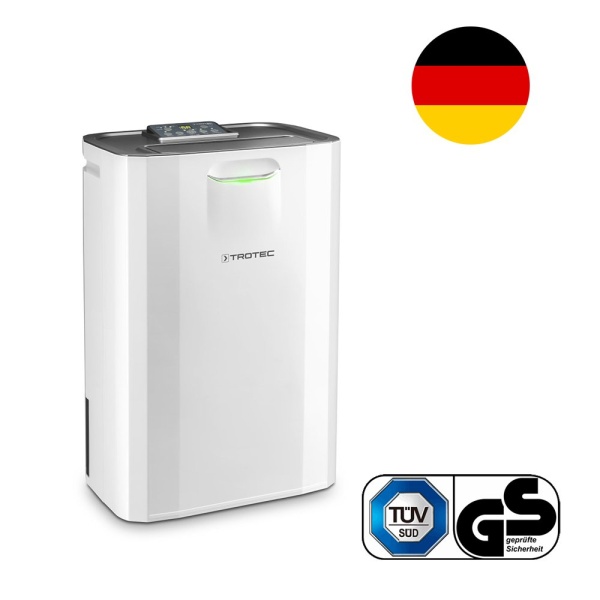
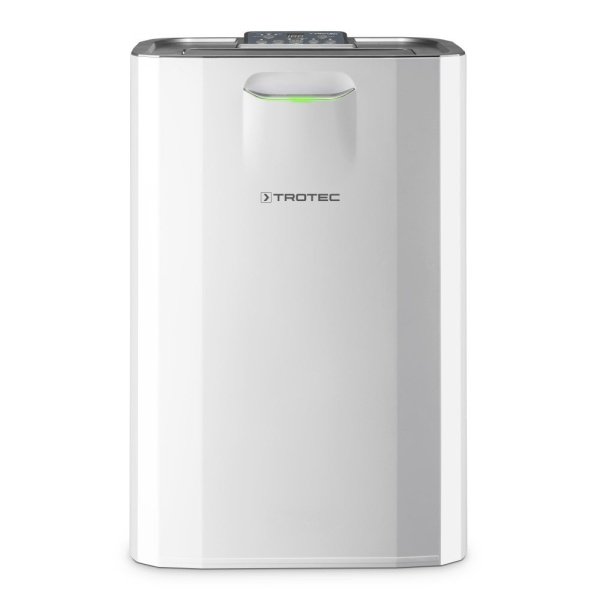
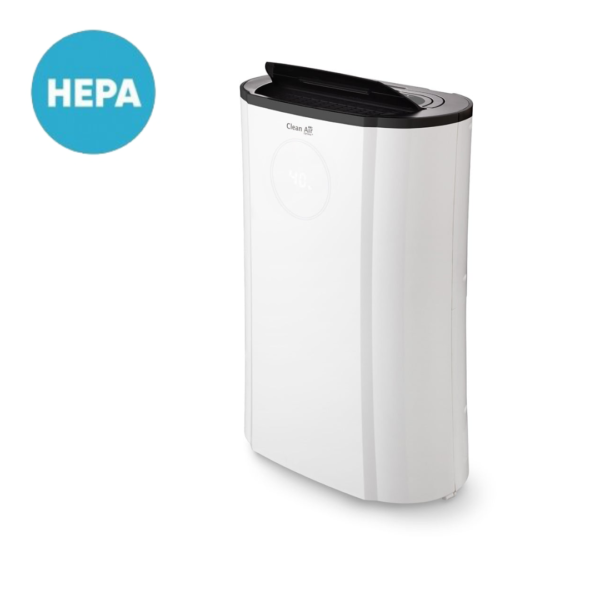
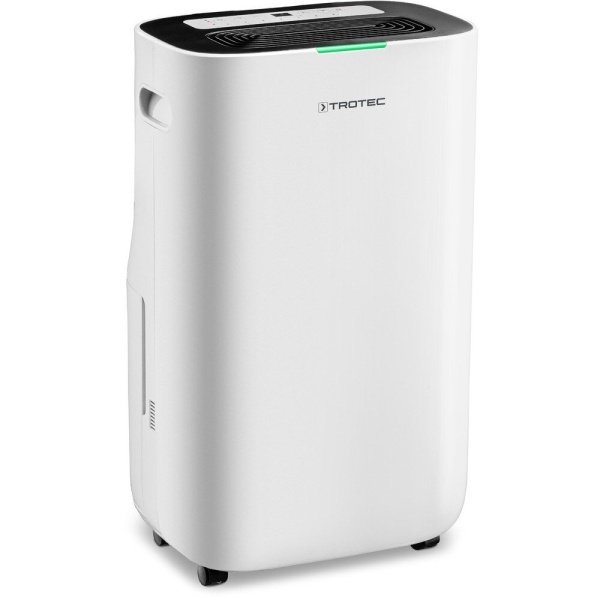
If you are unable to cope with excess moisture, or maybe you just want a quick and effective solution to the problem, Choose a dehumidifier to combat mold and dampness.. This device will help maintain the room the right humidity level and reduce the risk of mold. It is suitable even for extremely humid rooms, such as basements.
A dehumidifier will be a worthwhile purchase if:
- indoor humidity constantly exceeds 60 percent;
- windows fog up even when the rooms are regularly ventilated;
- mold recurs in the same places;
- there is a constant smell of dampness;
- after cleaning, the mold reappears.
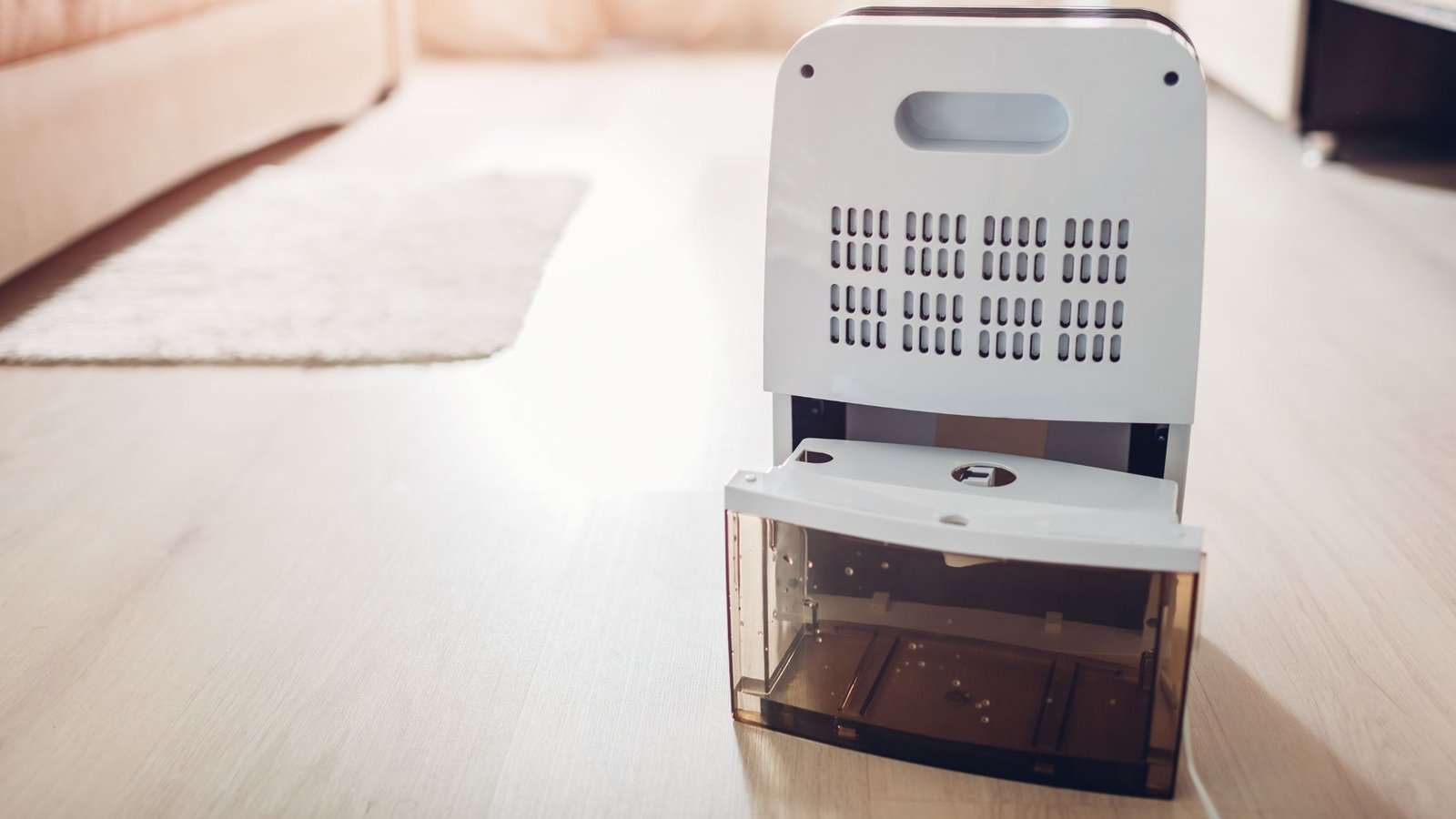
Dehumidifiers – a solution that will help prevent mold
When choosing a dehumidifier, it is important to consider the size of the premises, the device's performance, noise level and additional functions, such as automatic humidity maintenance. A properly selected device allows you to constantly control the humidity level and ensures a comfortable microclimate in the house.
Maintaining an optimal humidity level of 40-60% not only reduces the likelihood of mold growth but also improves overall air quality. This is a simple and long-term solution for those who want to not only eliminate mold, but also prevent it from returning.