
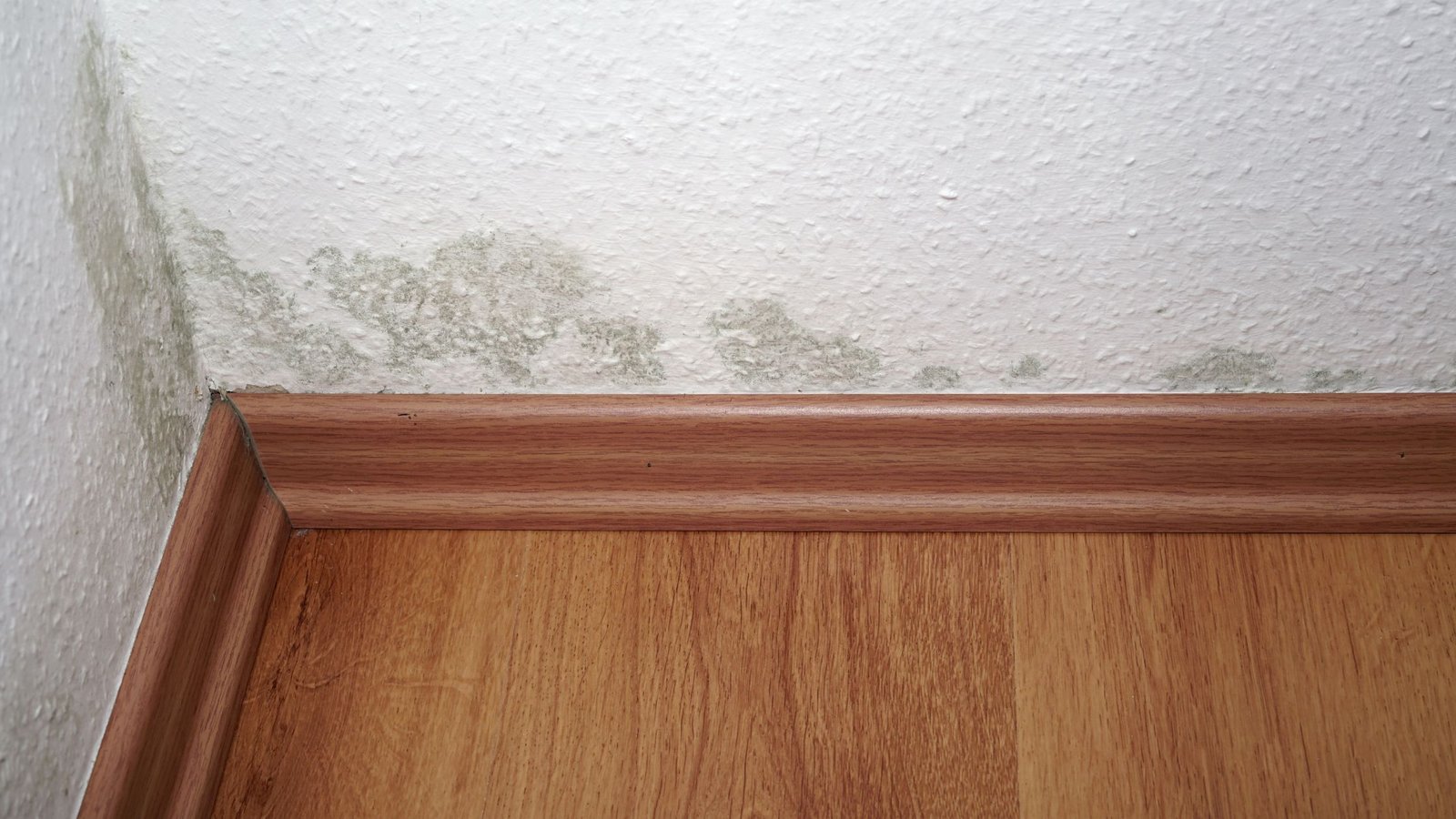
Mold in the house: why it appears, how dangerous it is and how to get rid of it permanently

Mold in your home is a clear sign that excess moisture is building up indoors and the problem won't go away on its own. Many people first try to simply clean the mold, but if the cause of its appearance is not eliminated, it usually returns.
Sometimes mold is considered just an aesthetic problem, but in reality it can be harmful to your health, home decor, furniture, and other possessions. Mold is a spore-producing fungus that thrives in damp, poorly ventilated environments, so it usually appears in the corners of walls, near windows, in the bathroom, or behind furniture.
In this article, we will discuss why mold appears in homes, what damage it causes, and most importantly, what to do to not only eradicate the mold, but also prevent it from recurring in the future.
Table of contents
What is mold and what types of mold exist?
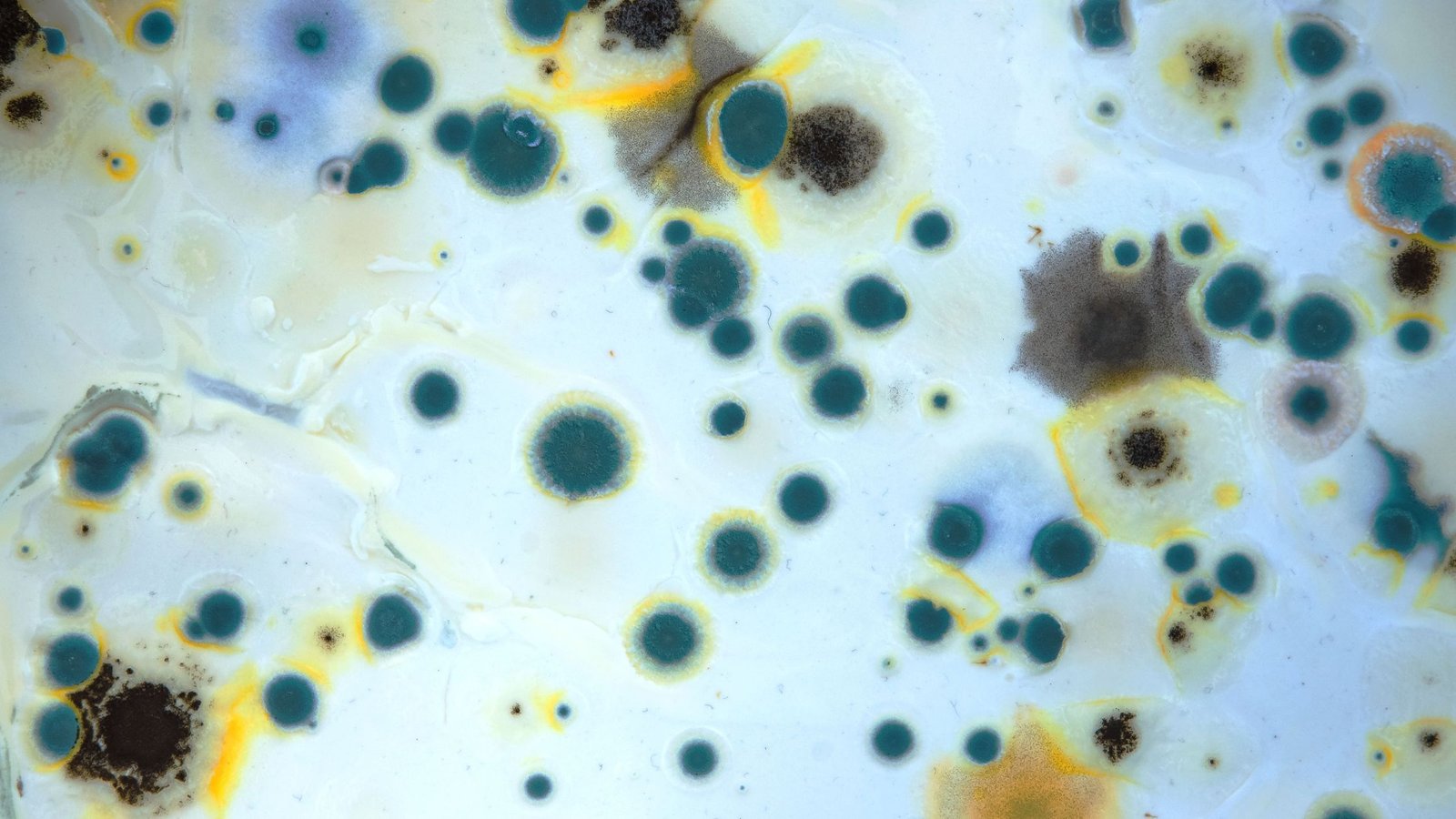
Mold is a fungus that grows in filaments, reproduces by spores, spreads quite rapidly, and becomes a veritable household pest. According to scientists, there are about 300,000 species of mold, and several are often found in residential premises.
- Aspergillus. Typically white, greenish, or gray with dark spots, this type of mold is often found on walls, on small, loose foods, and in attics or basements.
- Aureobasidium. Pink with black spots. You can most often see this type of mold near sealing areas, on walls, or on natural wood surfaces.
- Cladosporium. It likes both warm and cool places. It is often found on wooden surfaces, in heating and cooling systems, and is also very fond of textiles, so you can find it on clothes, curtains, etc.
- Penicillium. It is characterized by a yellowish or blue-green color. This species especially likes rooms with excess moisture, water leaks, etc. So you can find it, for example, in basements.
- Stachybotrys charter. This is black mold, one of the most common, and it is characterized by its greenish-black color. This type of mold usually grows where there is cellulose, so you can find it on paper surfaces.
Why and in what places does mold appear?
Removing mold from your home will not be effective if you do not first determine why it has appeared. The most important thing in the fight against mold is to first eliminate the causes that led to its appearance, and then proceed to remove the mold itself.
Let's discuss the most common causes of mold:
- Excessive humidity indoors – this is the most common reason. It is worth having a humidity measuring device at home – if the latter shows that the humidity in the rooms exceeds 60 percent, it means that ideal conditions have been created for mold to appear.
- Poor ventilation. The air in your home should be moving, fresh and clean. If ventilation is poor or non-existent, condensation will accumulate, creating attractive conditions for mold.
- Low temperature. If the temperature in the house is maintained below 18 degrees, there will be very little chance for moisture to escape, which means that the risk of mold growth is increased.
- Construction errors or defects that occurred later. A leaky roof, thermal bridges, and leaking pipes – these lead to temperature differences, accumulating moisture, and create a good environment for mold to grow.
It can be seen that humidity and mold in the home are very closely related - the higher and longer the humidity in the premises is uncontrolled, the greater the risk of mold formation and spread.

Where is mold most commonly found in the home?
Mold in the home most often appears in areas where the moisture that accumulates has the least chance to evaporate. The main places where mold can grow are:
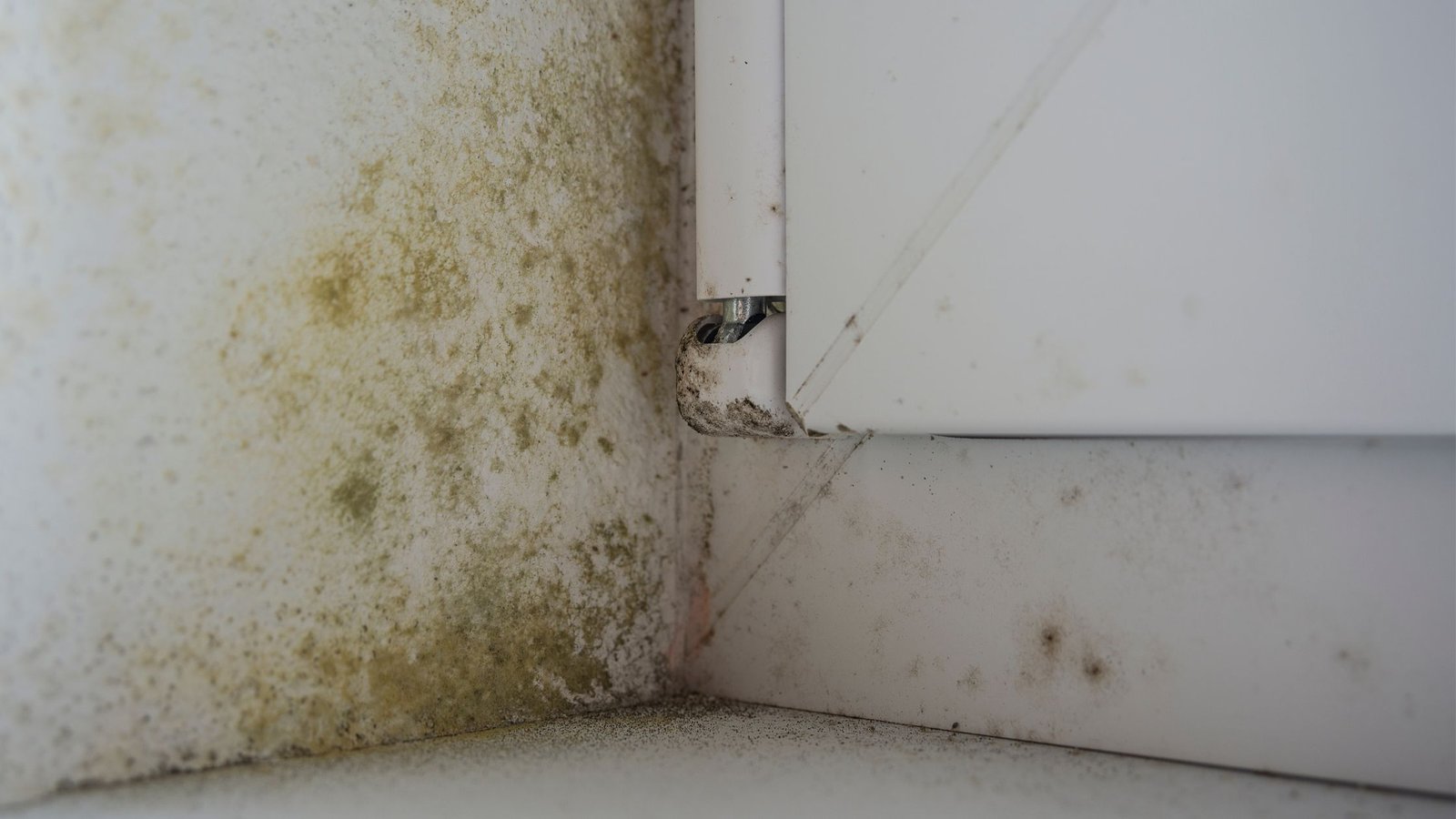
- Walls (especially external, bordering the field), corners (to the floor or ceiling);
- Bathroom: seams between tiles, space under the sink, bathtub, as well as near pipes;
- Window sills, window frames, especially where condensation forms;
- Kitchen, especially near the sink, pipes or behind kitchen cabinets;
- Basements and attics;
- Behind the furniture, especially if they are very close to the wall.
Mold is insidious in that it is not always visible, as it can be hidden under carpet, behind wallpaper, under floor coverings, even inside wall structures. However, in this case, its presence may be betrayed by odor or some health symptoms.
The harm of mold to our health
Mold can cause various diseases or reactions in the body. The most common of them are:
- Allergy mold and its characteristic symptoms: sneezing, runny nose, sore throat, runny nose, watery eyes.
- Asthma. If you or someone in your household has asthma, mold increases the likelihood of asthma attacks.
- Poisoning. Some types of mold produce certain carcinogenic substances. Ingestion or inhalation of such mold spores may cause headaches and dizziness.
- Aspergillosis. This is a group of various infectious diseases characterized by symptoms such as: cough, shortness of breath, difficulty breathing, fatigue, etc.
- Inflammations. Because mold in the home can encourage the growth of various bacteria, it can increase inflammatory reactions in the body.
- Sinusitis and other respiratory diseases.
Living in a moldy environment for a long time can weaken the immune system. This is especially harmful for children, seniors, and people with allergies.

Mold in the house: what to do?
Mold removal is a process that includes both identifying the cause, solving the problem, and using preventive measures. Surface cleaning alone will not be enough.
Solutions for small mold areas
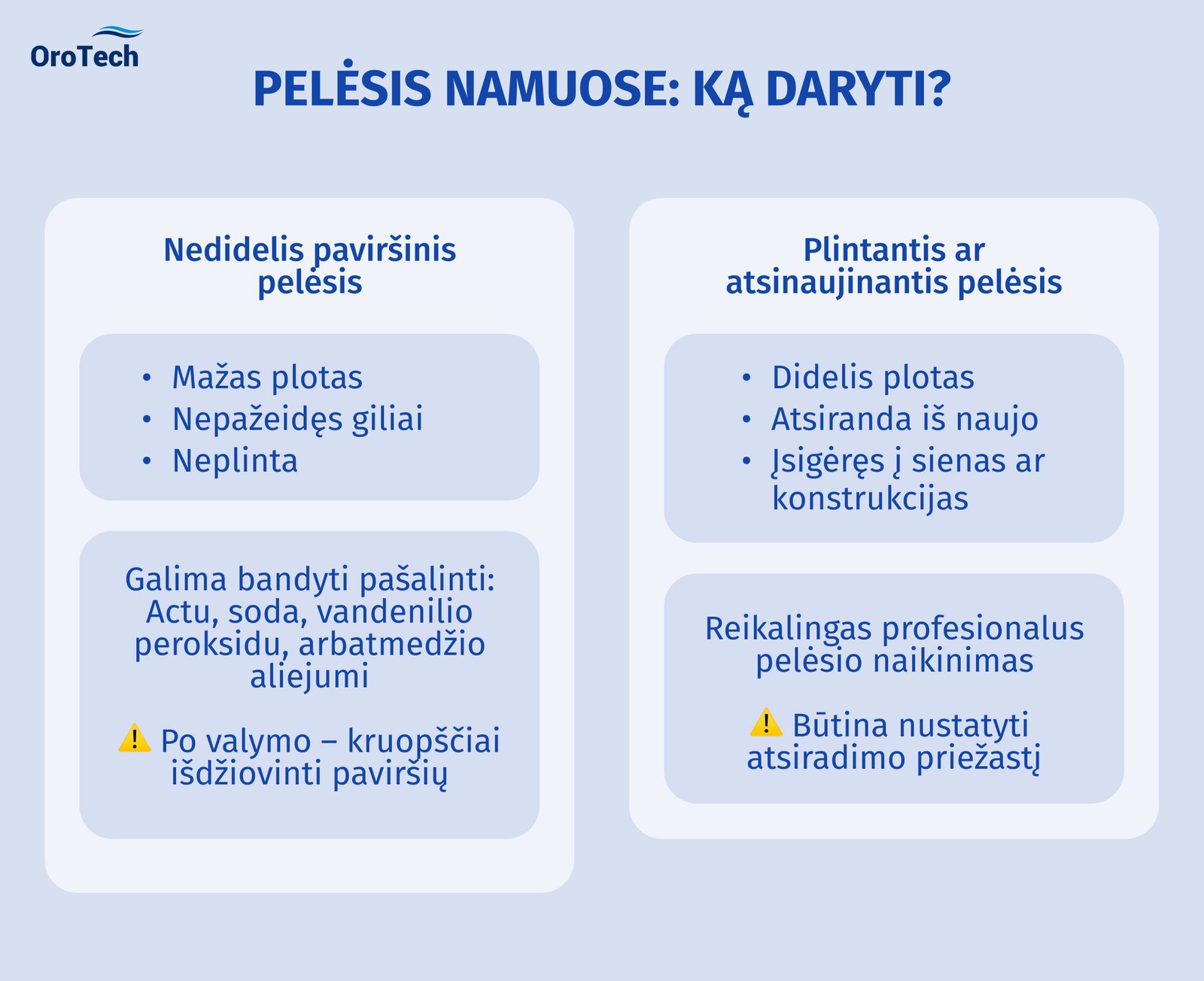
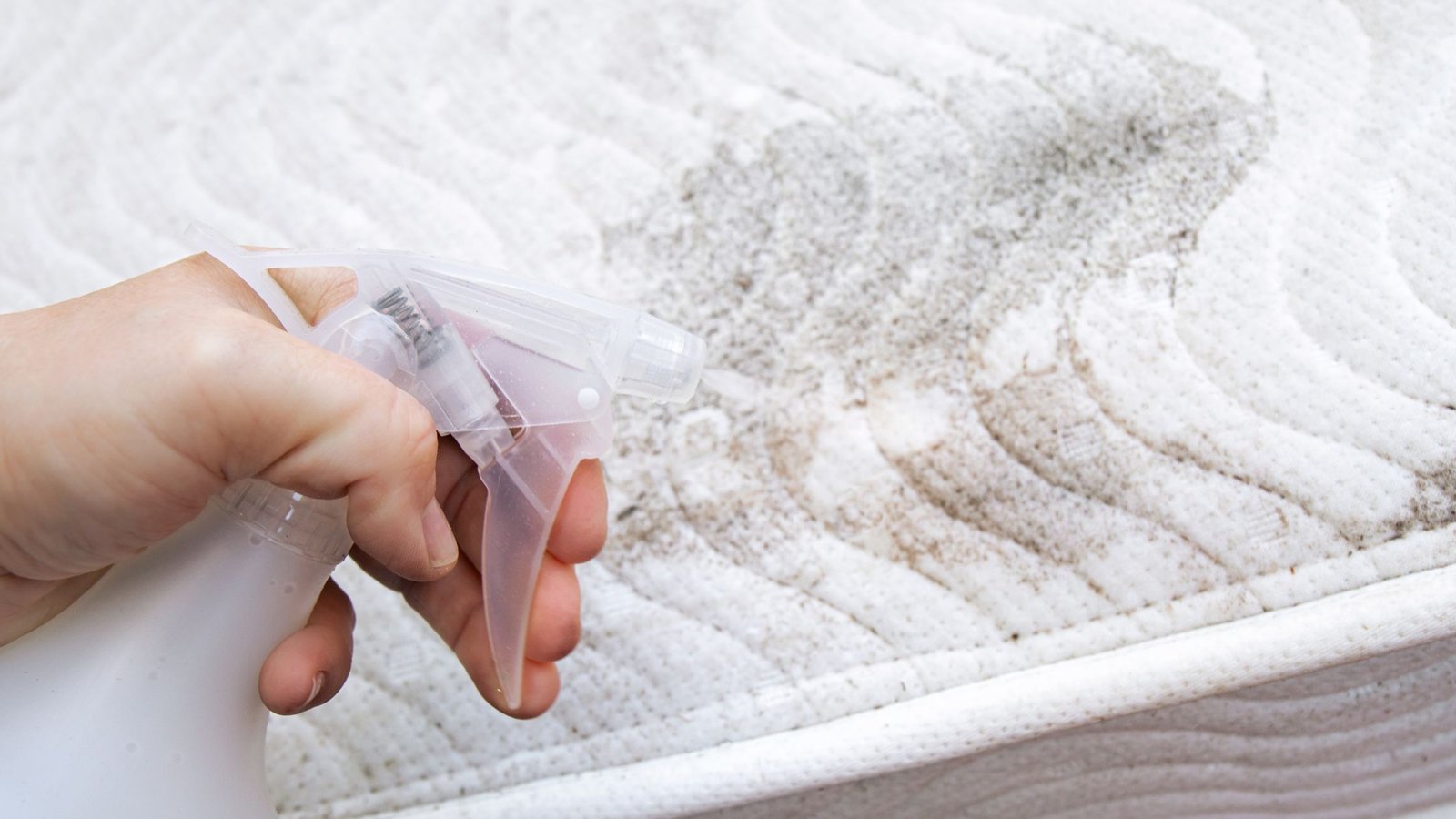
If the mold is small, only on the surface and has not penetrated deeper, you can try to remove it yourself. folk remedies for mold removal, such as: vinegar, baking soda, hydrogen peroxide, tea tree essential oil, lemon juice, laundry soap.
Important: Dry the surface very well after cleaning!
If you have tried these remedies, but the mold does not reduce, spreads, or recurs quickly, it is likely that the problem is deeper and self-cleaning is not enough. In this case, it is recommended professional mold removal, when specialists use special tools, assess the extent of the damage and can safely and effectively remove mold from damaged surfaces.
How to prevent mold from returning?
To ensure that mold in your home does not return, it is important to control the humidity level in your rooms and ensure proper microclimate conditions [i]:
- Control the humidity level in your home – optimal humidity level indoors – 40–60 percent;
- Ensure air movement, fresh air entering the premises;
- Maintain a stable room temperature – the optimal temperature is 18–22 degrees;
- Eliminate construction or finishing defects that may accumulate moisture;
- Pay special attention to rooms where the most moisture is generated - the bathroom, kitchen or basement. Reducing humidity in the bathroom will help properly selected bathroom fan.
Mold in your home is a sign that the moisture balance is out of whack. Cleaning surfaces usually doesn't provide long-term results. By controlling humidity and ensuring proper ventilation, you can not only get rid of mold, but also protect your home and your health in the long run.
Since the main cause of mold is excess moisture, the most effective way to prevent its return is to constantly maintain an optimal humidity level indoors. For this, dehumidifiers are used, which help maintain an optimal humidity level indoors and prevent the formation of conditions favorable for mold.
View dehumidifiers and choose the most suitable solution for your home.
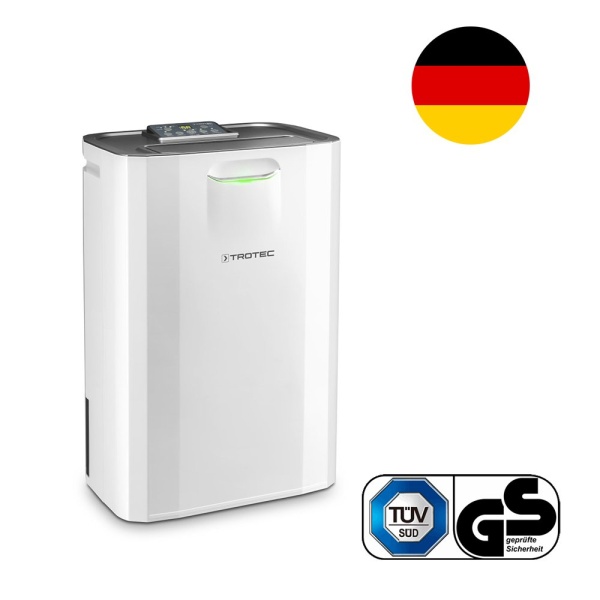
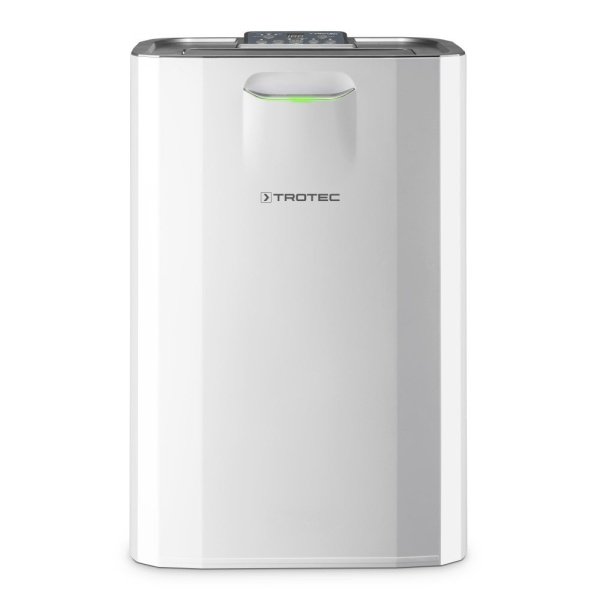
Adsorption dehumidifier Trotec TTR 57 E
300,00 € Room size: 0-20 m²Dehumidification performance: 0-10 l/24 hDelivery time: 1-3 days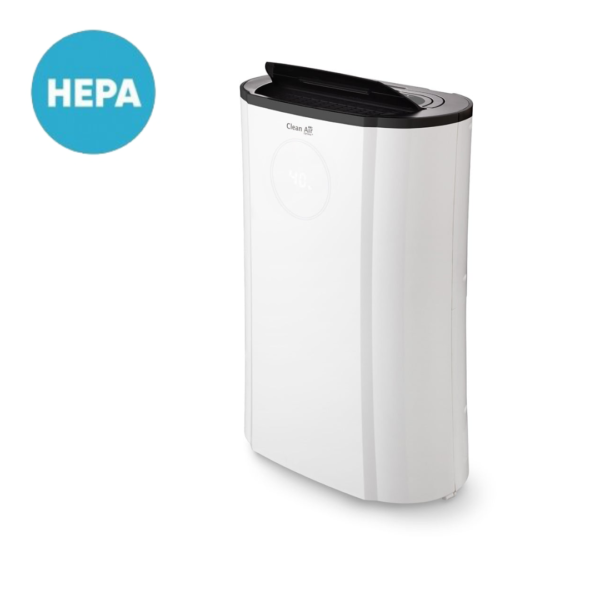

Air dehumidifier - purifier Clean Air CA-704
349,00 € Room size: 31-50 m²Dehumidification performance: 11-20 l/24 hoursDelivery time: 1-3 days
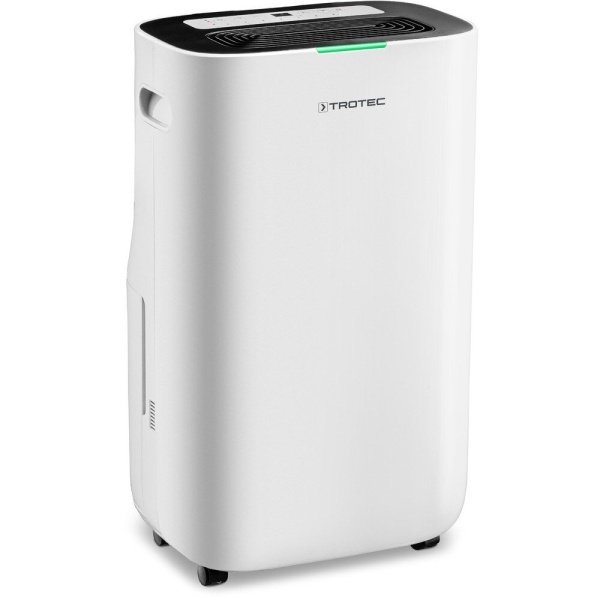
Condenser dehumidifier Trotec TTK 70 HEPA
275,00 € Room size: 31-50 m²Dehumidification performance: 21-30 l/24 hoursDelivery time: 1-3 days[i] https://www.epa.gov/mold/what-are-main-ways-control-moisture-your-home